Say goodbye to traditional pig tracking, extra sensors and individual marking. A fast and accurate 2D camera-based deep learning system automatically recognises pig feeding behaviour, making early detection of health and welfare problems possible.
In issue 84 of Research*eu, we interviewed Arturo Lizón, coordinator of the INNOPREFAT project on behalf of Spanish SME Monteloeder. Their MetabolAid product provides a nature-inspired solution to help deal with metabolic syndrome which affects around 25 % of the world’s population. When last we spoke, they were preparing to introduce MetabolAid to major markets across the world. We reconnected with Lizón to see how they’ve been progressing.
Whilst developing biodegradable food packaging from upcycled cheese whey and almond shells, the EU-funded project YPACK has discovered that integrating zinc oxide and oregano essential oil helps biopapers protect against bacterial contamination in food packaging. This promises to increase the shelf life of fresh products such as meat, fruit, vegetables and fresh pasta.
A species of jelly resorts to eating its own offspring to thrive in new habitats and cope with food shortages, according to new research.
Partners of an EU-funded initiative are integrating innovative technologies to recover water and minerals of sufficient purity and quality from brine for reuse in various industries.
An EU initiative has developed a framework to help secure sustainable development and growth in fish farming.
Researchers say selective breeding may help sheep and goats to better respond to varying weather conditions caused by climate change.
Researchers have examined the impact of climate change on salmon farming. Their work will help adaptation planning.
In a recent biofuel trial, a car reached 80 kph powered by seaweed-based fuel.
A Galway farmer who has diversified and set up a snail farm won the 2019 Irish NEWBIE Farm Entrant Competition.
A team of EU-funded scientists has developed novel biodegradable containers for the organic beauty market.
EU-funded researchers have investigated how life-cycle assessment (LCA) could help improve the sustainability performance of biochemical production.
Scientists have monitored the impact of an olive tree killer bacterium in Italy using satellite data. The research will help prevent future spread and damage.
An EU initiative has successfully tested the usability of miscanthus for biofuel production. The technology used could help realise the full potential of this promising energy crop.
Researchers and industry experts have conducted trials with wood-derived protein in feeding fish. The technology will help secure aquaculture growth.
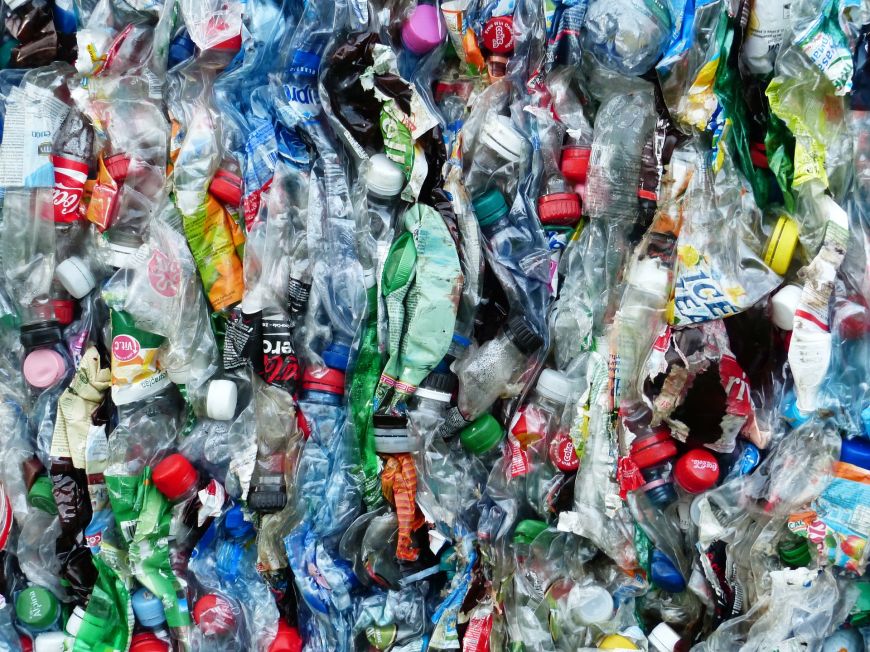
Scientists have developed a new method for producing a compound to replace polyethylene terephthalate (PET) in food and beverage packaging.
One year ago, the DIVERSIFY project left important guidance to the aquaculture industry, with the promise of greater competitiveness and diversification of its production. What has the consortium been up to since then? Did the project results enable the commercialisation of new fish products? CORDIS investigated.
Promoting sustainable agriculture in Europe: An EU-funded study explores the dos and don’ts of multi-stakeholder partnerships (MSPs).
A new study has shown that using fermented peas instead of wheat to make gin could limit the spirit’s impact on climate change.
Fast, accurate and affordable food safety testing is now possible. Thanks to a portable scanner, farmers, food manufacturers and retailers can now do their own tests in the field, eliminating costly and time-consuming lab tests.


 EN

 CS
 DE
 ES
 FR
 HU
 IT
 PL
 PT
 РУ
 SK
 TR
 УК
 AR
 中文