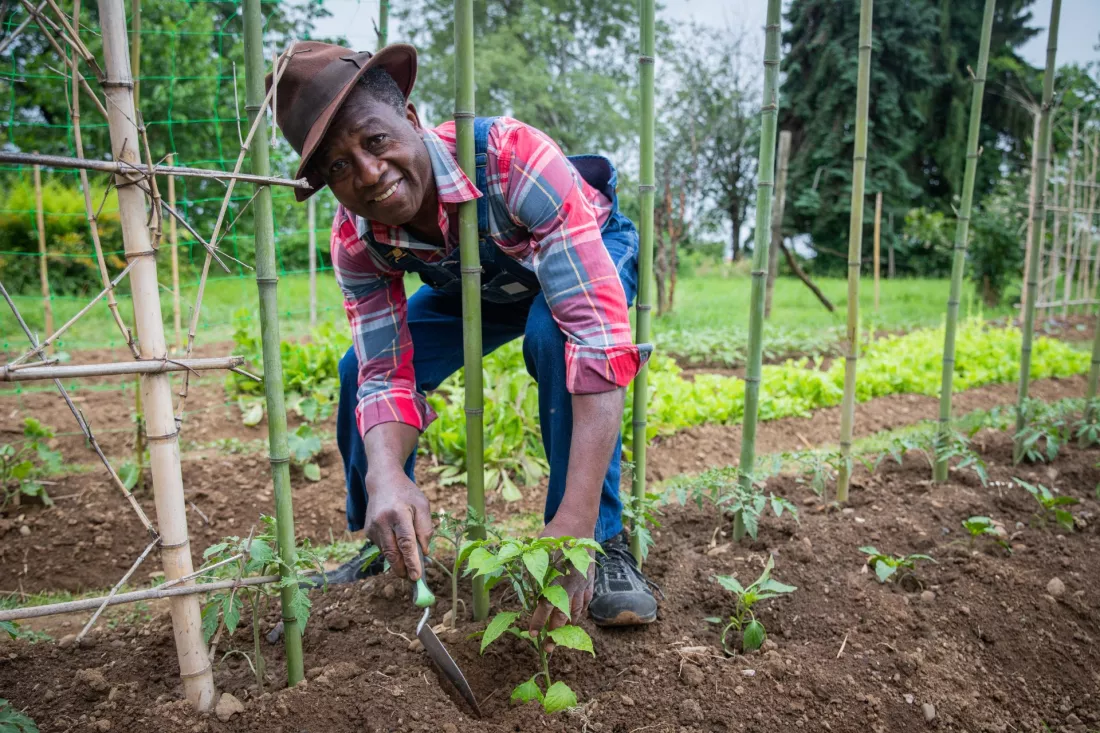
Smallholder farmers in East Africa work plots of less than two hectares, yet they produce up to 70% of their countries’ food. The EU-funded PrAEctiCe project set out to support them by turning agroecology, a broad and rather abstract idea, into concrete indicators that advisors can use on real farms. The tools were piloted in living labs in Kenya, Uganda and Tanzania — and at the end you can check how well you have followed agroecology from idea to numbers.
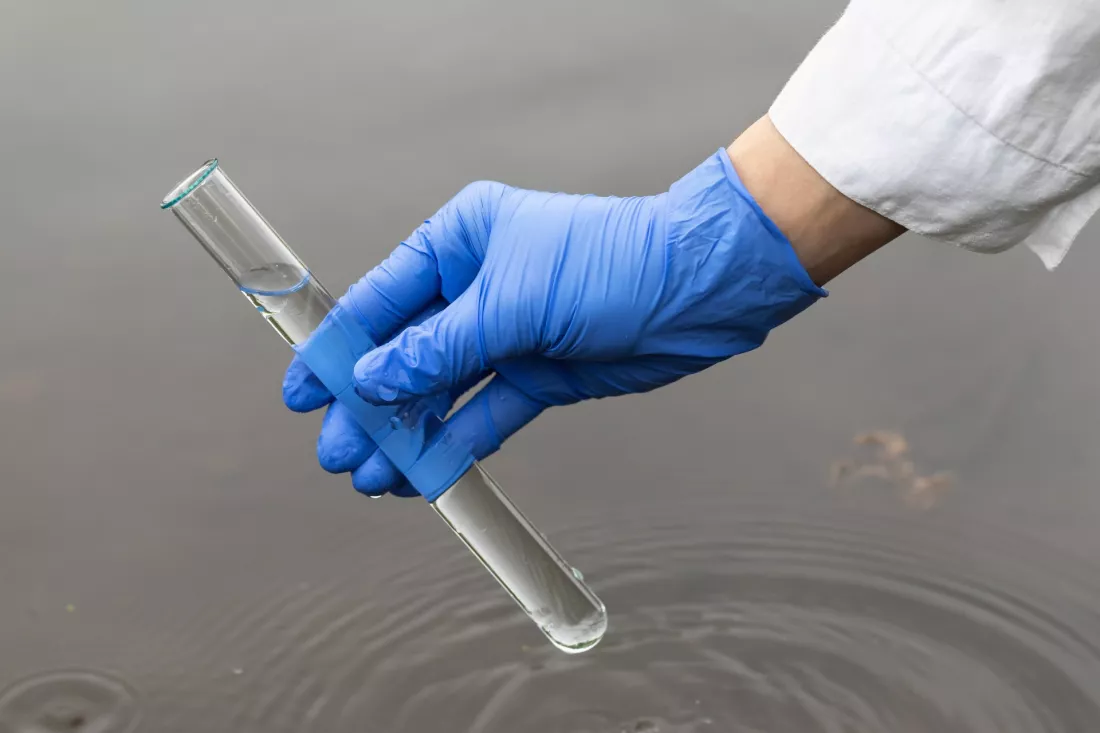
Fish farming is booming, yet only 37% of Europe’s surface waters meet environmental requirements. SusWater tackled this with an unusual toolkit: filters made from cellulose, chitosan, starch and gelatine, fungi taken from wastewater, light-driven catalysts and a pocket-sized sensor for trace pollutants. It is a field where chemists, biologists and materials scientists work side by side – and at the end you can check whether you have what it takes to be a clean-water detective.
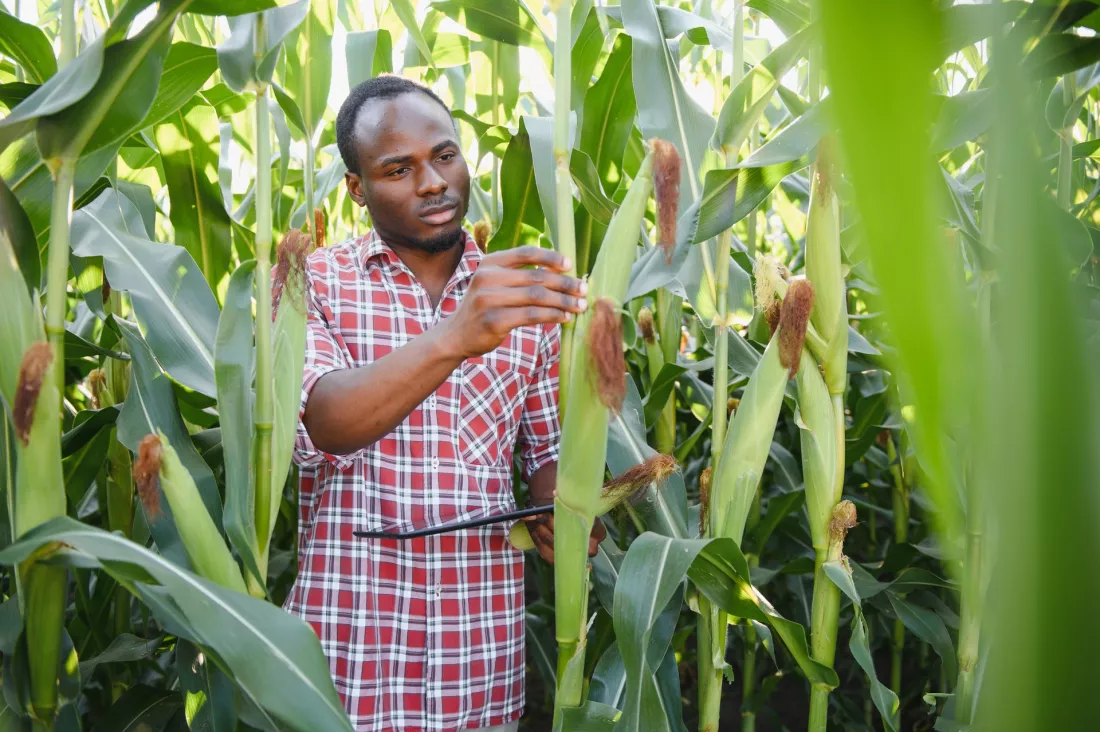
Planning what millions of people will eat twenty-five years from now sounds like a job for science fiction, yet a Horizon Europe project spent three and a half years doing exactly that. FoSTA-Health studied Malawi, South Africa, Tanzania and Zambia and found that a food system is far more than farming: it is soil, animal health, human health, trade and policy tangled into one knot. The team sketched four possible routes to 2050 – and at the end you can check whether you think in systems or in separate cases.
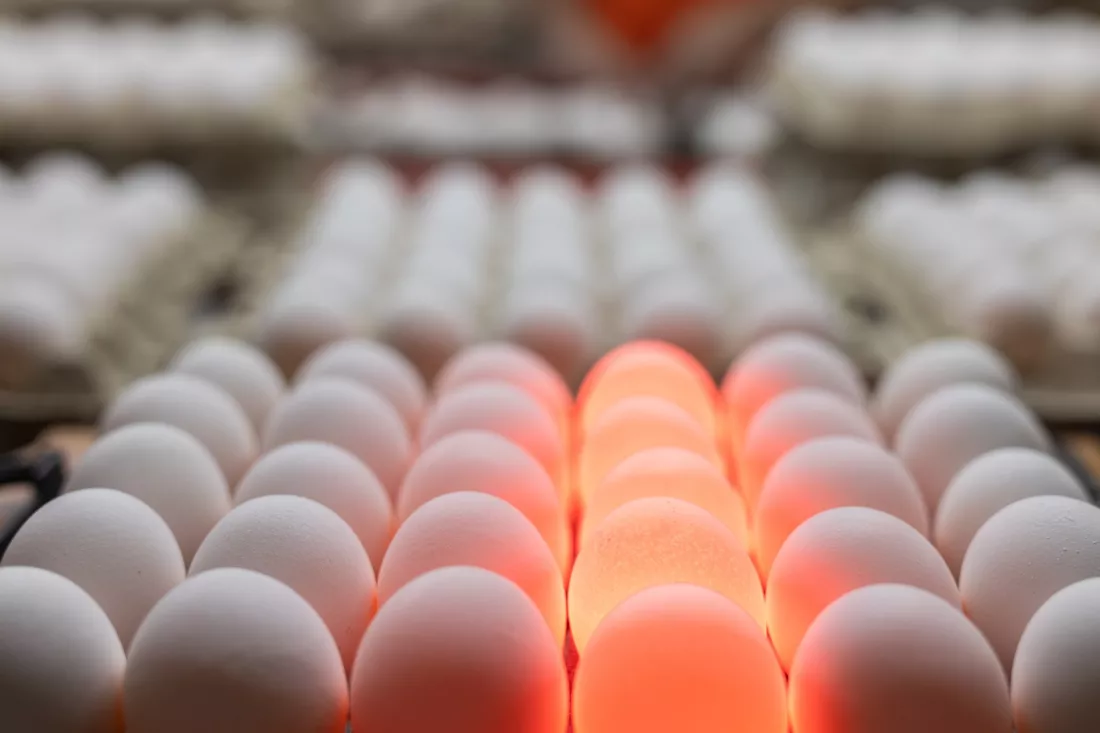
Around 330 million male chicks are killed in the EU every year, because they lay no eggs and put on too little meat to pay for their feed. Germany and France have already banned the practice, and other Member States are pushing for an EU-wide ban, which leaves hatcheries with a question they have to answer before anything hatches. A German team funded by the European Innovation Council shines light through the shell and lets an algorithm read the answer - a mix of ethics, optics and code that is worth asking yourself about before you pick a degree.
An Innovation Days event held in Burkina Faso brought together academic and civil society stakeholders from Europe and Africa to brainstorm solutions to digital transformation challenges.
Stevia-based sweeteners produce only 10 % of sugar’s greenhouse gas emissions, according to EU-backed research.
The tinder fungus’s newly discovered properties are inspiring biodegradable alternatives to current plastics and other materials.
Can today’s scientists accurately predict global biodiversity trends? No, according to a new study, since current approaches make it impossible.
Is an inventory of the carbon stocks of all trees throughout a country possible? Yes, say EU-backed researchers, and go on to demonstrate it in Rwanda, Africa.
A new policy brief highlights the vital relationship between pollinating insects and the UN’s Sustainable Development Goals (SDGs).
From Champagne to Valpolicella, wines are inextricably tied to the land in which they grow. But is it possible to recreate, growing it in some other location? Our expert Miguel Romano uncorks this puzzle.
‘Toilet-to-tap’ systems can cut strain on water supplies, if we overcome the yuck factor. But how clean is our potable water anyway? We wade in with micropollutants expert Didier Neuzeret.
The EU-funded NewTechAqua project is providing cutting-edge training on fish nutrition and health and helping novel aquaculture solutions reach the market.
Interested in getting into ecological research sites across Europe for free? An EU-backed project has granted over 60 scientists EUR 400 000 for their research at these sites so far.
An open call issued by an EU-backed project is giving SMEs and other companies the chance to make their bio-based technologies and solutions market-ready.
The newly launched ENRICH in Africa (EiA) Centre kickstarts a wide range of services for African and European incubators and accelerators.
A new paper highlights the opportunities, challenges and policy options related to ecosystem services provided by Europe’s forests.
A new policy brief sends a clear message: biodiversity can only improve if biodiversity-enhancing management on farms starts to benefit farmers economically.
It is not all genetics. A new study sheds light on environmental exposures in our vulnerable early years and how they affect our health.
An EU-funded project has launched the first of two open calls for companies interested in developing bio-based materials. Winners will have access to cutting-edge tech that will help scale up their innovations.



 EN
EN 
 CS
CS DE
DE ES
ES FR
FR HU
HU IT
IT PL
PL PT
PT РУ
РУ SK
SK TR
TR УК
УК AR
AR 中文
中文