

Almost everyone has a memory they would happily get rid of: an awkward moment, a painful scene, something that keeps coming back at the worst possible moment, often late at night. Johannes Gräff, a neuroscientist at EPFL in Lausanne, studies whether such memories can really be deleted. His answer is yes, in principle, but with a catch that matters a lot once you move from mice to people — and at the end you can check how you deal with your own difficult memories.

Heat, drought and shrinking water supplies are not just problems of our time. Herders in the Levant faced similar challenges more than 10 000 years ago. The EU-funded ICARHUS project set out to learn how they managed their herds, using a method that reads proteins preserved in ancient animal remains. It turns out that the age and sex of goats and sheep can say a lot about the climate of the past – and at the end you can find out whether there is a Stone Age herder in you.
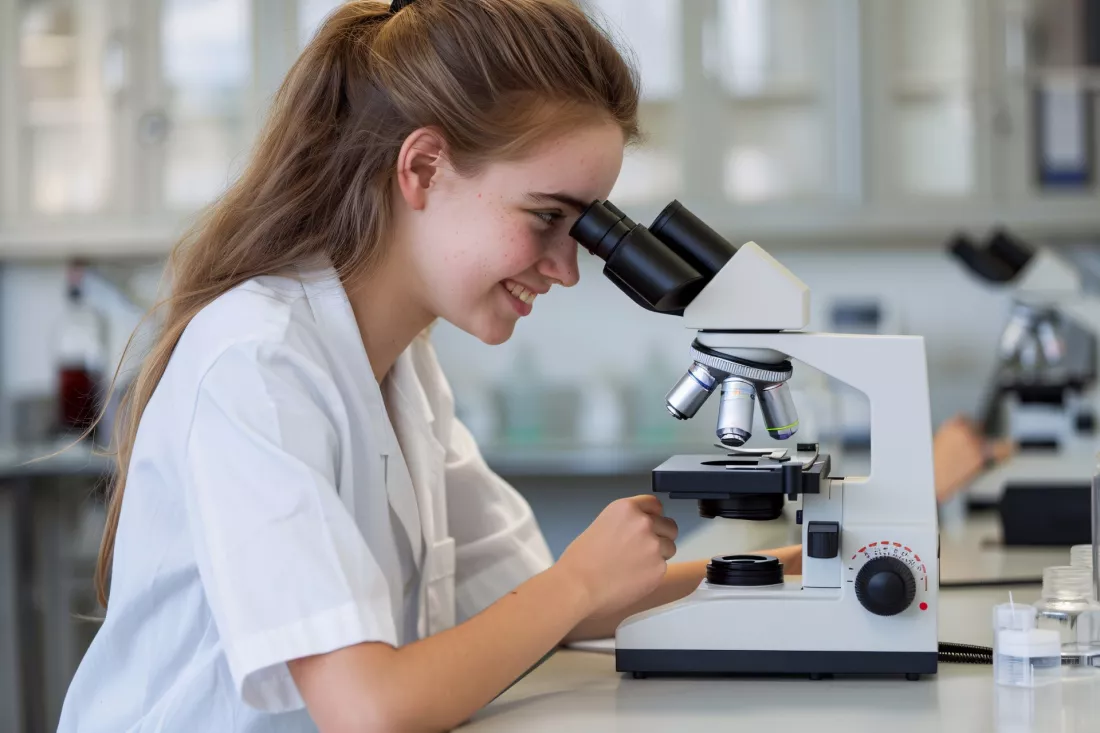
Every step, jump or dance move depends on a quiet partnership between muscles and the nerves that control them. When that partnership fails, the result can be a serious neuromuscular disease. A team at the Max-Delbrück Center in Germany has grown tiny human neuromuscular organoids in the lab that organise themselves and recreate this link, opening a path from a curiosity-driven question to future treatments – and at the end you can check what kind of lab explorer you are.

About 7,500 languages are spoken today, which sounds like more than enough until you learn it is only a fraction of what humanity once had. A new study in Science reconstructs 12,000 years of linguistic history and finds a surprise: the peak came just 1,000 to 3,000 years ago, and the decline began long before colonialism. So the language on your timetable is a lucky survivor of history — and at the end you can check what kind of polyglot you are.
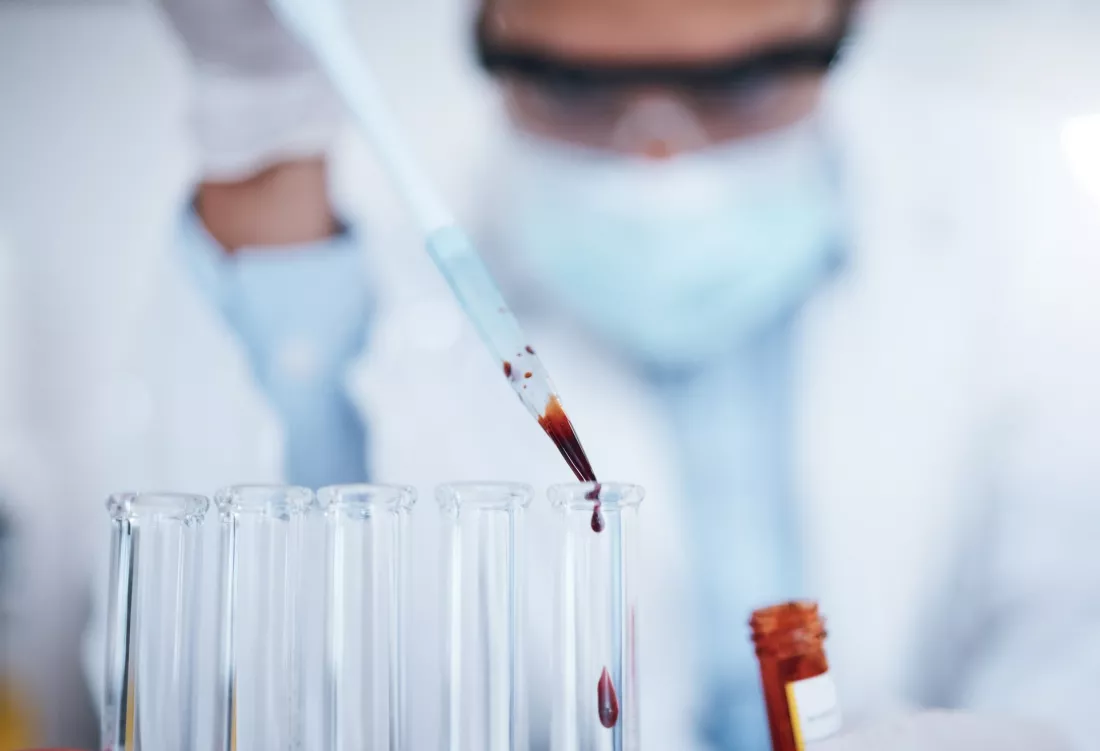
Some cancer treatments already work by teaching a patient’s own immune cells to hunt tumours down — but every single dose has to be built by hand, in a specialised facility, over several weeks, for a sum close to 300 000 euros. A team in Utrecht asked a different question: instead of shipping the cells to the factory, why not send the factory to the cells? Their answer is one injection of a nanoparticle — and the habit of mind behind that kind of reversal is exactly what the test at the end of this article is about.

We spend roughly a third of our lives asleep, and about a quarter of that time dreaming. Most of those stories fade within minutes of waking, which is why dreaming stayed at the edge of serious science for so long. A team in Italy decided to count them anyway: more than 3 700 dream reports from almost 290 people, run through language algorithms. What came out is a picture of dreaming that is anything but random — and of dreamers who differ from one another enough that it is worth asking what kind of dreamer you are.


 EN

 CS
 DE
 ES
 FR
 HU
 IT
 PL
 PT
 РУ
 SK
 TR
 УК
 AR
 中文