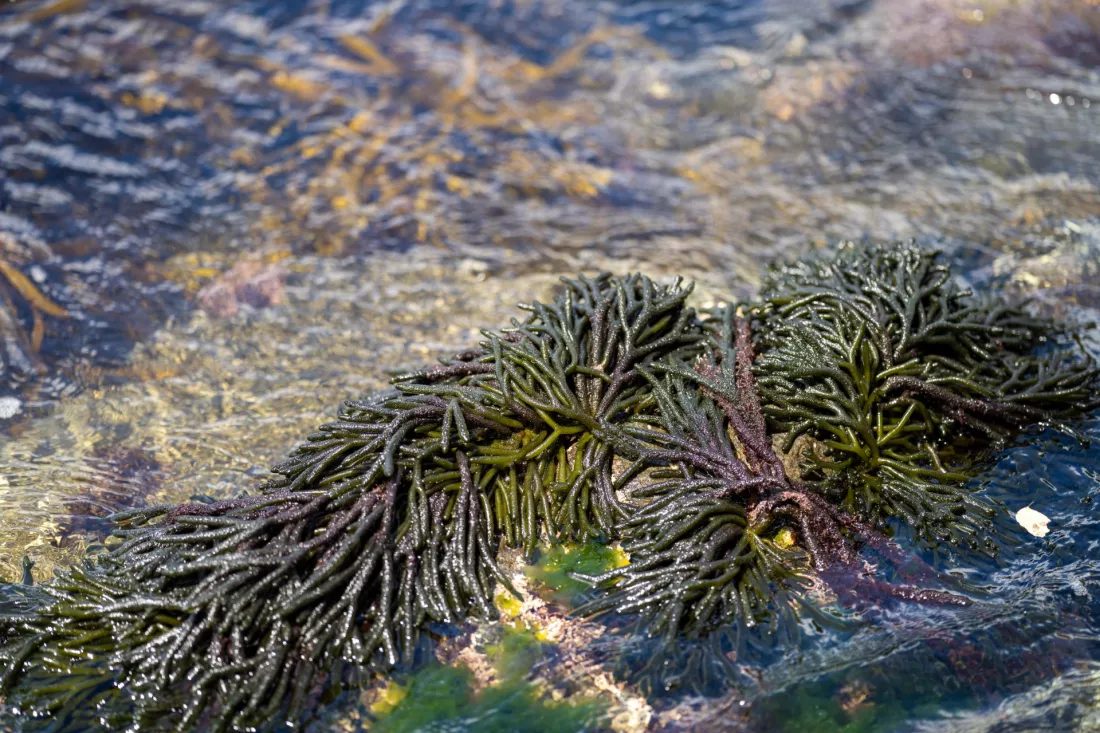
Fish and shellfish farming is growing fast around the world, yet in the European Union production has fallen and Member States rely on imports. EU-funded research wants to change that without sacrificing climate goals: healthier fish without antibiotics, feed made from fungi and insects, seaweed farms at sea and aquaculture that wastes nothing – and at the end you can check how sustainable your own seafood habits are.
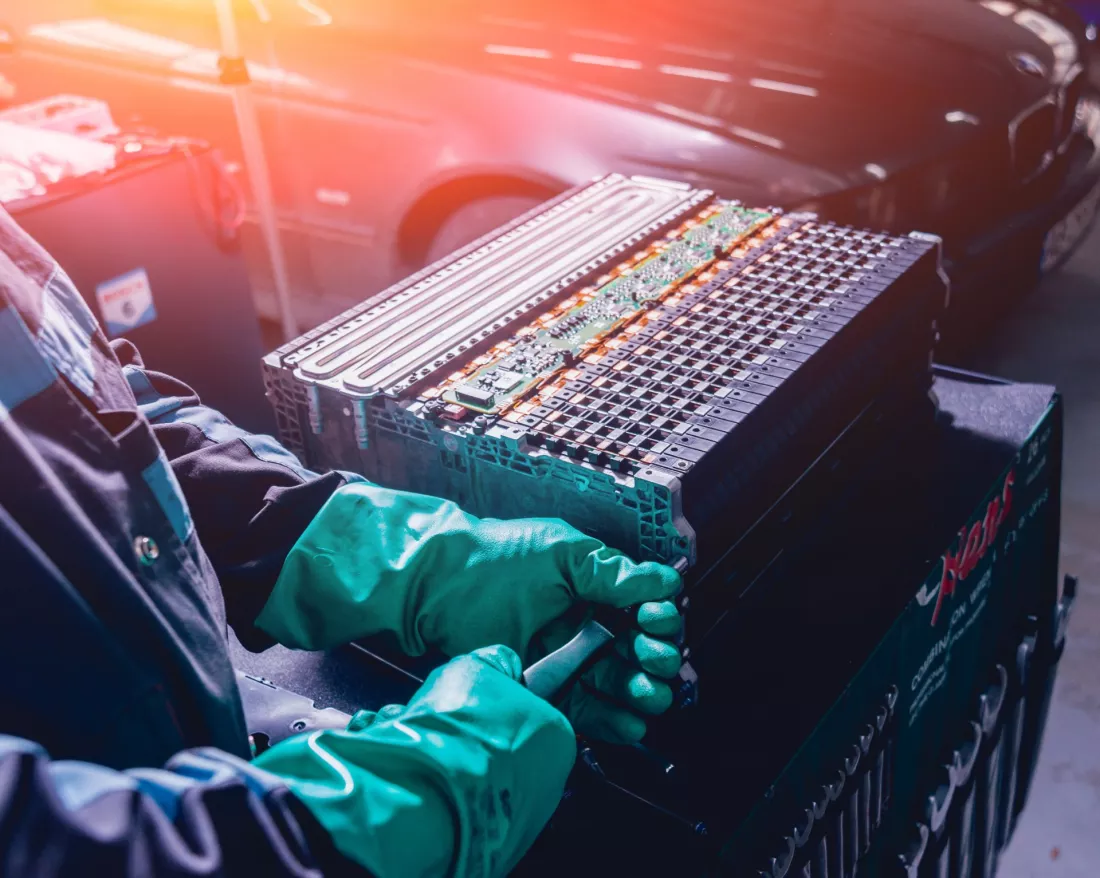
An electric car battery that can no longer power a vehicle is not rubbish at all – it is a small mine of lithium, cobalt, nickel and manganese. The European BATRAW project, coordinated by Leitat, has shown step by step how robots, AI cameras, lasers, clever chemistry and a blockchain passport can turn worn-out packs into high-quality materials for brand-new batteries – and at the end you can find out how much of a circular economy engineer there is in you.
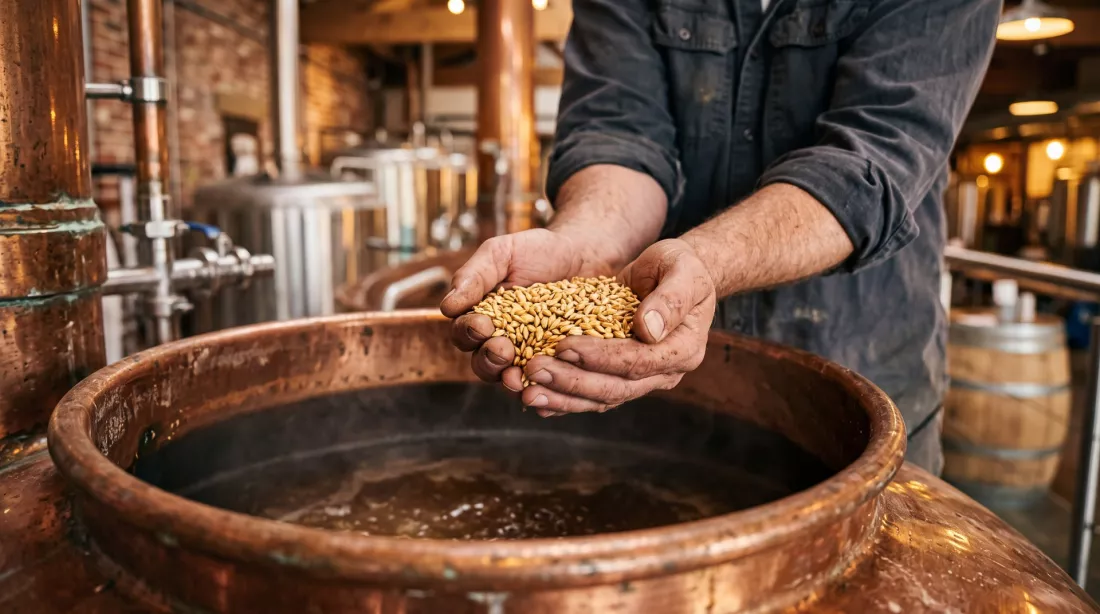
Every brewery produces it by the tonne: the wet, heavy mass of spent malt left in the mash tun once the sugars have been washed out. Usually it ends up as animal feed, or simply as waste. An EU-funded project has just finished asking whether that mass could become a plastic instead — and whether the bottles and trays made from it could later be sorted out and broken back into their building blocks. The answer says a lot about what the word “bio” on a label is actually worth — and at the end you can check how far your own thinking about waste really reaches.
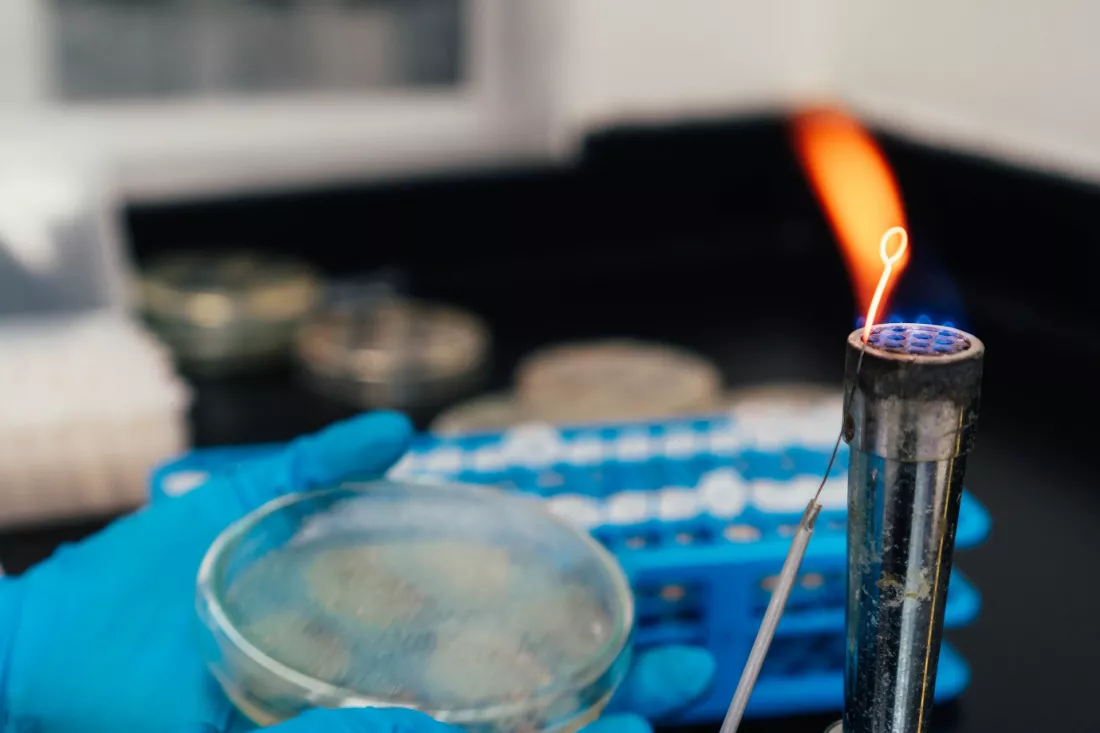
Ammonia, fuels, plastics: the chemical industry still makes almost everything by burning fossil fuels at high temperature and pressure. A European research project has been testing another route - electricity from wind and sun, gas turned into cold plasma, and a catalyst that has to cooperate with it instead of shutting it down. The reported carbon footprint is up to over 90 % lower - and the test at the end asks whether thinking in parameters, conditions and comparisons is already your habit.
Dozens of cities from across Europe are embarking on unprecedented action to achieve climate neutrality.
Two full-depth moorings have been deployed to enhance our knowledge of South Atlantic currents and ecosystems.
The tinder fungus’s newly discovered properties are inspiring biodegradable alternatives to current plastics and other materials.
EU-backed researchers are deploying a fleet of autonomous robots to tackle litter on the ocean surface and floor.
What do stakeholders think about the EU’s research and innovation (R&I) programmes? A public consultation has been launched to find out.
EU-backed researchers are testing a hybrid engine prototype – a major step towards their goal to redefine fuel consumption and emissions performance in plug-in powertrains.
A new study describes the unexpected discovery of a lead compound in Rembrandt’s ‘The Night Watch’, raising questions about the compound’s origins.
An open call issued by an EU-backed project is giving SMEs and other companies the chance to make their bio-based technologies and solutions market-ready.
From student challenges to 3D-printed copper components for particle accelerators, it’s all in a day’s work for the EU-backed I.FAST project.
A new paper highlights the opportunities, challenges and policy options related to ecosystem services provided by Europe’s forests.
A new policy brief sends a clear message: biodiversity can only improve if biodiversity-enhancing management on farms starts to benefit farmers economically.
An EU-funded project has launched the first of two open calls for companies interested in developing bio-based materials. Winners will have access to cutting-edge tech that will help scale up their innovations.
An EU-funded project reserves berths at two open-water test sites to demonstrate selected prototype wave energy converter (WEC) systems in 2025.
An EU-backed project prepares to test a new hybrid microgrid solution in Spain.
From cars to cans, we are surrounded by the enduring silvery shine of aluminium. We asked metallurgist Casper van der Eijk what makes it worth its weight in gold.
A new study suggests that traffic noise at schools has a negative impact on the development of working memory and attention in primary school students.



 EN
EN 
 CS
CS DE
DE ES
ES FR
FR HU
HU IT
IT PL
PL PT
PT РУ
РУ SK
SK TR
TR УК
УК AR
AR 中文
中文