
Serwis Information for students in Europe - v.EN, home

Universities in European countries

Found: 35

Austria

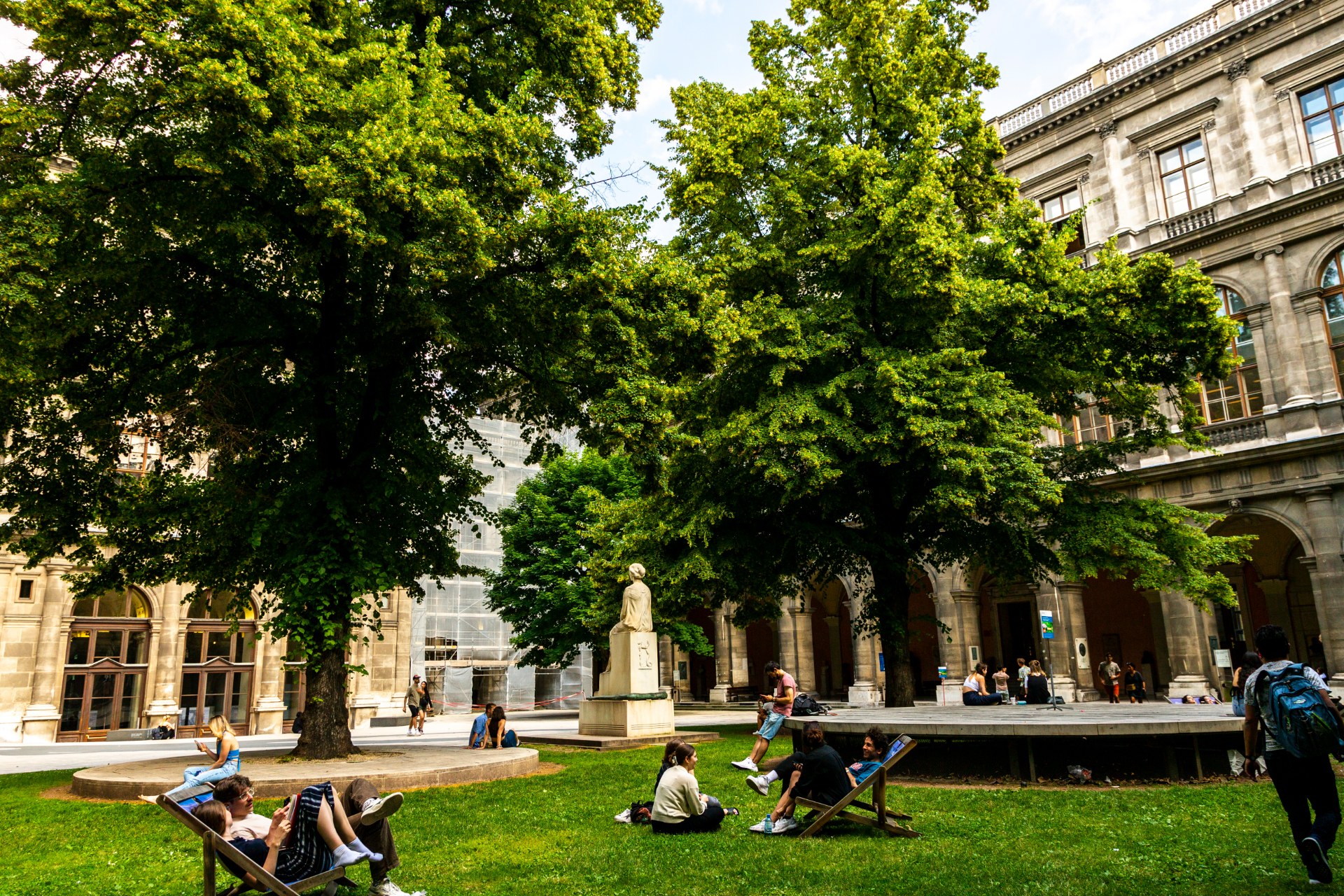
Students relaxing in the arcaded courtyard of the University of Vienna

Austria has four types of higher education institutions. According to OeAD, the agency that runs the official Study in Austria portal, there are currently:

  • 23 public universities – from the large universities in Vienna, Graz, Innsbruck, Salzburg, Linz and Klagenfurt to specialised medical, technical and arts universities,
  • 21 universities of applied sciences (Fachhochschulen, FH) – practice-oriented degrees with compulsory work placements; around 640 programmes, about 80 of them taught entirely in English,
  • 19 private universities – smaller, often specialised or international,
  • 14 university colleges of teacher education (Pädagogische Hochschulen) – where future teachers are trained.

You won't be the only foreigner: international students make up around 30% of all students in Austria.

Universities in Austria – profiles
Public universities in Austria
Private universities in Austria
Universities of applied sciences (FH) in Austria
University colleges of teacher education in Austria
Belgium

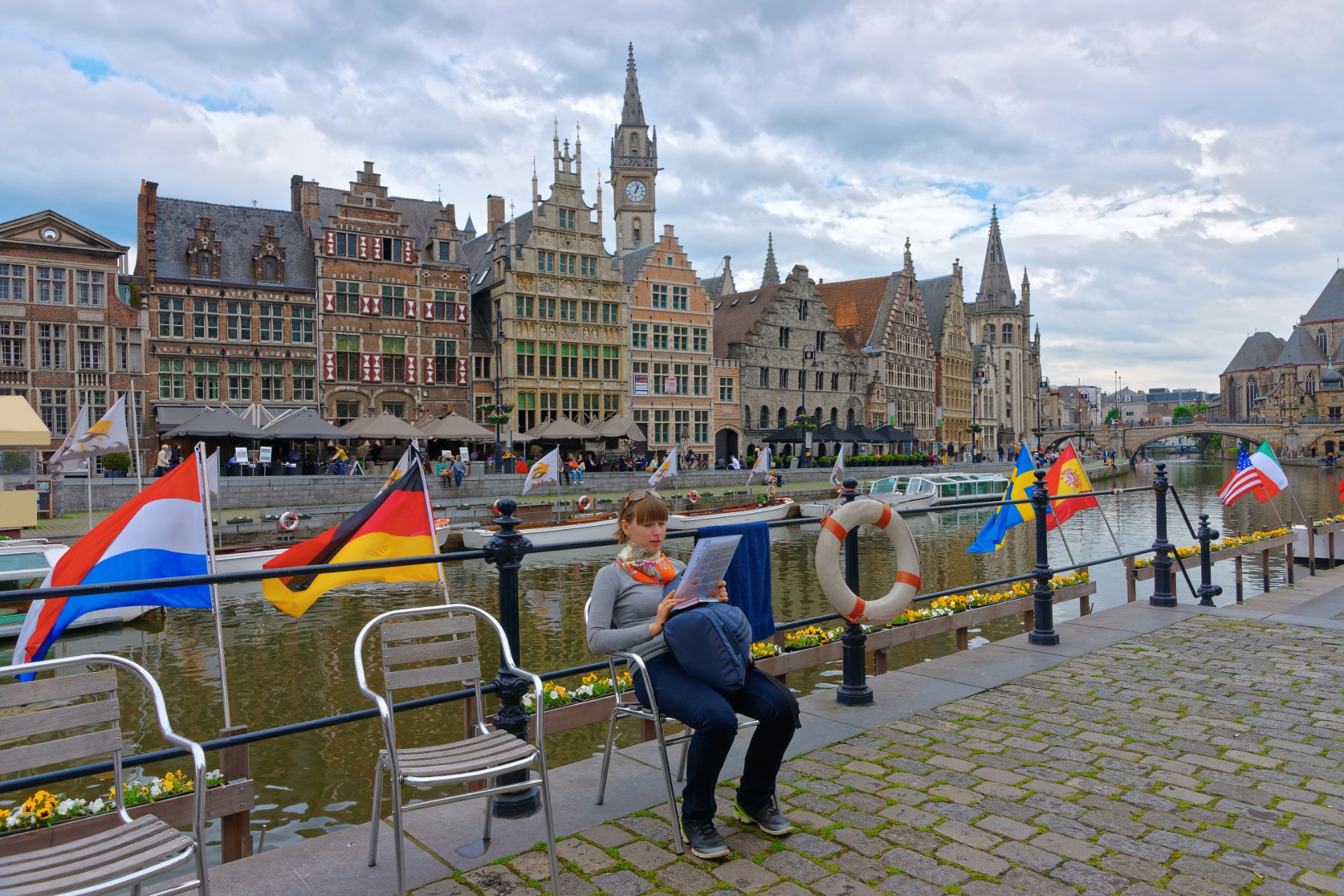
Young woman reading on the Korenlei embankment in Ghent, with the Graslei houses behind her

In Belgium, higher education is run by the language communities, not by the federal state – each community has its own institutions, rules and fees. The two largest are the ones that matter for you.

The Flemish Community (Flanders and the Dutch-speaking institutions in Brussels) – 18 publicly funded institutions:

  • 5 universities – including KU Leuven, Ghent University (UGent) and the University of Antwerp,
  • 13 universities of applied sciences and arts (hogescholen),
  • 3 other institutions.

The Wallonia-Brussels Federation (the French Community) – 40 public institutions:

  • 5 universities – UCLouvain, ULB, ULiège, UMONS and UNamur,
  • 19 hautes écoles – practice-oriented institutions,
  • 16 schools of arts (écoles supérieures des arts, ESA).

There are plenty of international students: around 20% at UCLouvain, 24% at ULiège, and at ULB one in three students and researchers comes from abroad.
Universities in Belgium – profiles

Bulgaria

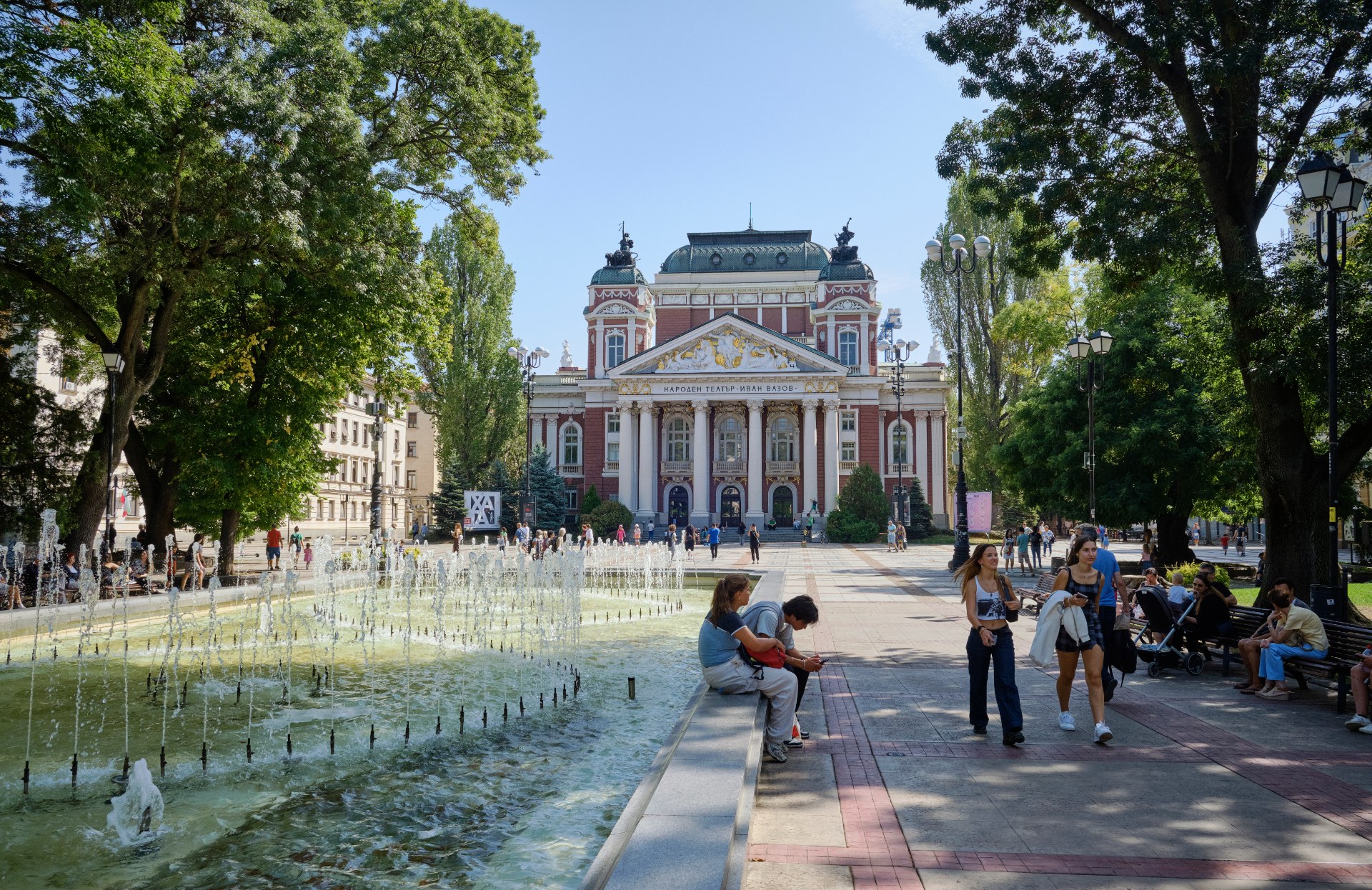
Young people by the fountain on the square in front of the Ivan Vazov National Theatre in Sofia

Bulgaria has three types of higher education institutions:

  • universities (университет) – teach many fields at all levels, from bachelor's to doctorate,
  • specialised higher schools – focused on one field of science or the arts,
  • independent colleges (колеж) – offer three-year professional programmes (professional bachelor).

Every institution must be accredited by the National Evaluation and Accreditation Agency (NEAA). You will find the list in the Ministry of Education and Science's register of higher education institutions. In 2023/24 there were 15,100 international students on bachelor's and master's programmes. Many international applicants choose medicine and dentistry in English – for example at the medical universities in Sofia and Varna.
Universities in Bulgaria – profiles

Croatia

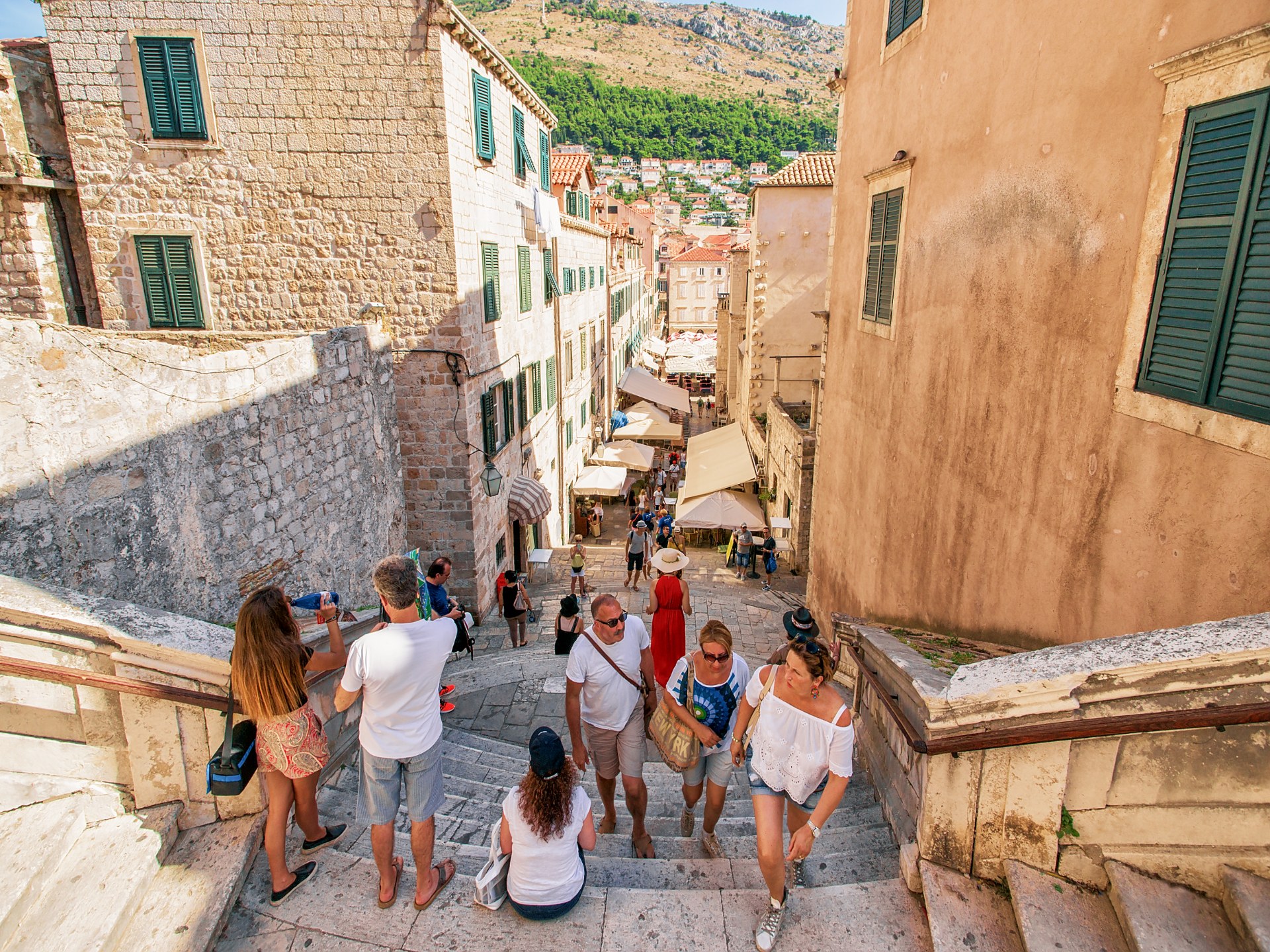
Young people on the Spanish Steps in the old town of Dubrovnik

In Croatia you can study at universities (sveučilišta), polytechnics (veleučilišta) and colleges (visoke škole), both public and private. Most universities and almost all polytechnics are public.

According to the Study in Croatia portal, Croatian institutions offer more than 1,850 programmes in total, and according to the European Commission around 100 of them are taught in English.

Universities focus mainly on academic education, while polytechnics and colleges offer professional programmes (stručni studiji) with an emphasis on practice.
Universities in Croatia – profiles

Cyprus

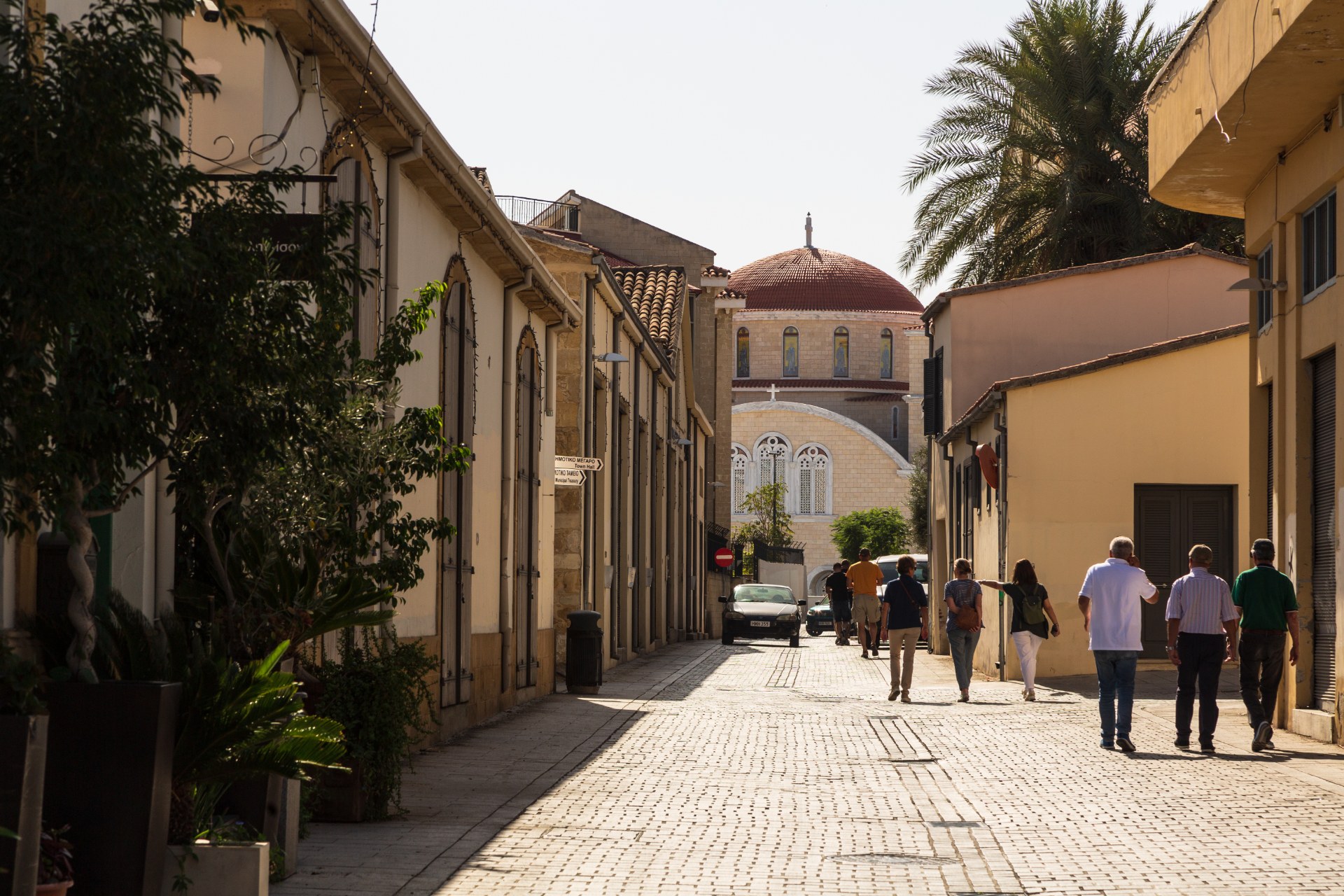
People walking along a narrow old town street in Nicosia towards a domed cathedral

According to Cyprus's Department of Higher Education, the country has:

  • 3 public universities – the University of Cyprus (UCY) in Nicosia, the Cyprus University of Technology (CUT) and the Open University of Cyprus, which offers distance learning,
  • 9 private universities – Frederick University, European University Cyprus, University of Nicosia, Neapolis University Pafos, UCLan Cyprus, Philips University, American University of Cyprus, University of Limassol and American University of Beirut – Mediterraneo,
  • public and private higher education institutions that are not universities.

The largest public university, UCY, admits around 1,500 new students every year and has around 5,300 bachelor's students.
Czechia

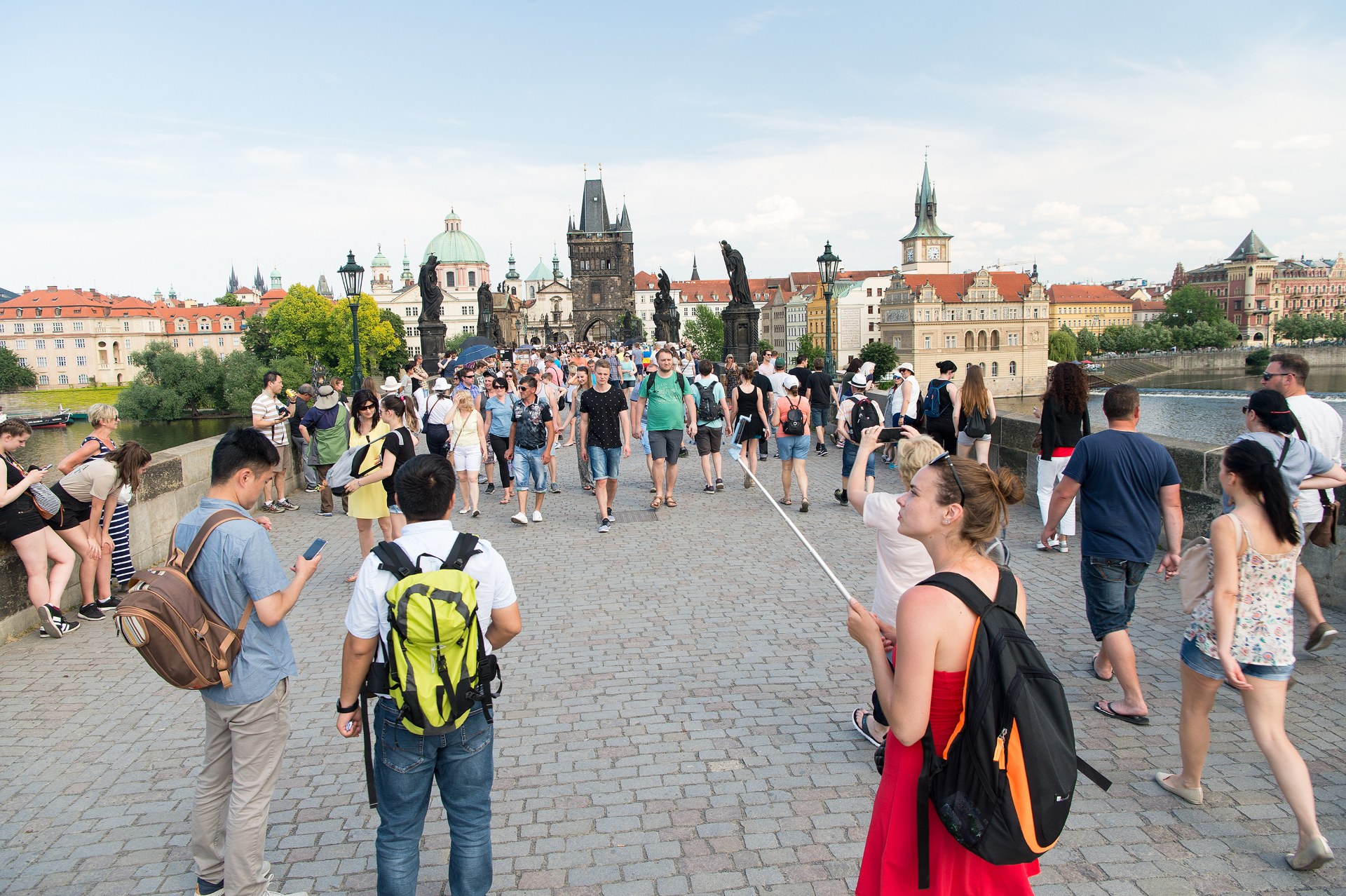
Young people with backpacks walking across Charles Bridge in Prague with the Old Town bridge tower behind

Czechia has more than 50 higher education institutions, according to the official Study in Czechia portal. They fall into three groups:

  • public universities (veřejné vysoké školy) – the largest group, including Charles University in Prague, Masaryk University in Brno and the Czech Technical University in Prague (ČVUT),
  • state universities (státní vysoké školy) – the military and police academies,
  • private institutions (soukromé vysoké školy) – usually fee-paying.

The Study in Czechia search engine lists more than 5,000 programmes, over 1,000 of them in English. You can filter by language, city, level and tuition fee.
Universities in Czechia – profiles

Denmark

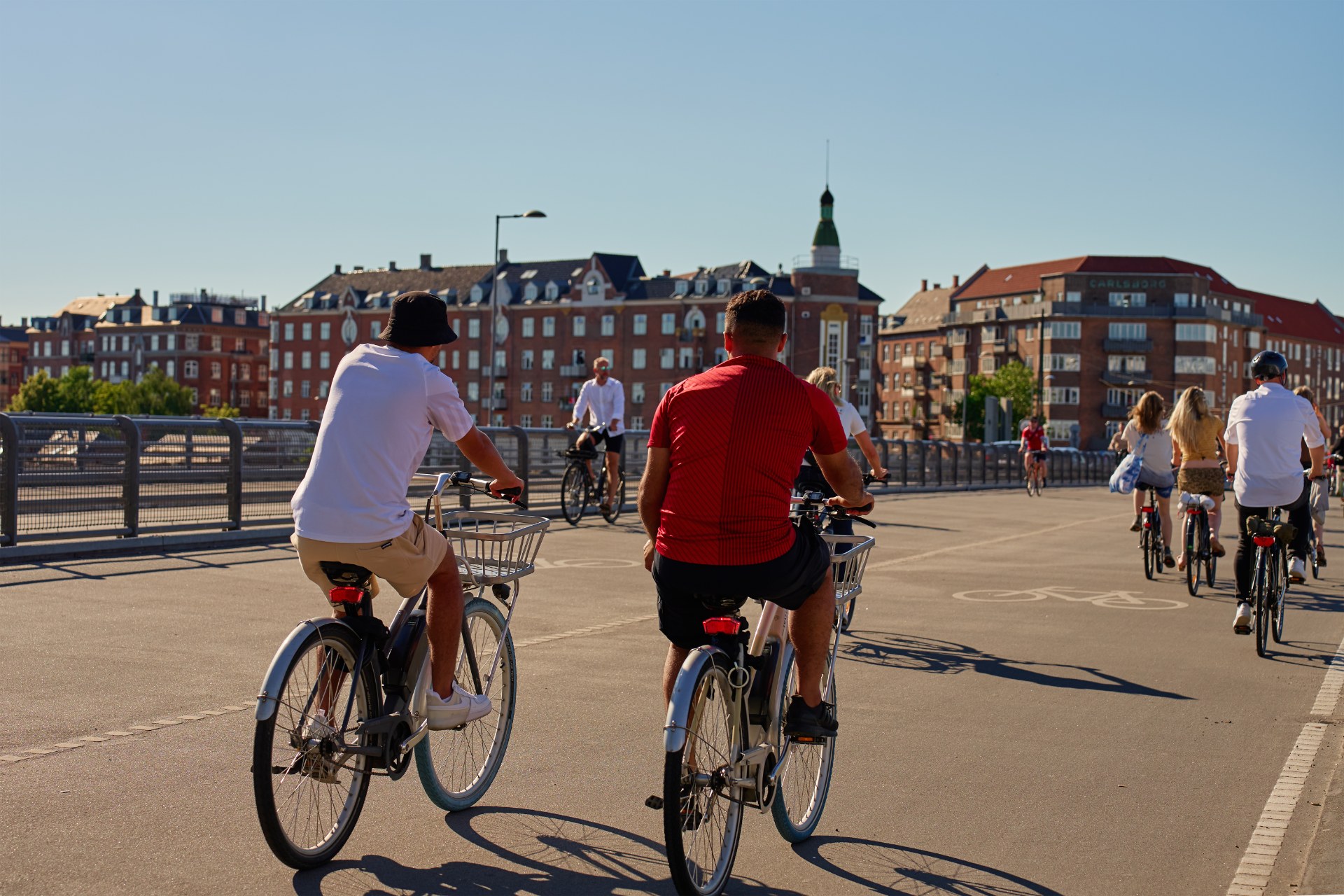
Young people riding bikes along a street in Copenhagen

In Denmark you can choose from five types of higher education institutions:

  • universities (universiteter) – general and specialised, research-based, teaching at all levels up to the doctorate,
  • university colleges (professionshøjskoler) – professional bachelor's programmes, e.g. for future teachers, nurses and engineers,
  • business academies (erhvervsakademier) – shorter, practical programmes and applied degrees,
  • maritime education institutions – training for the shipping industry,
  • arts institutions – art, architecture, design and music.

There is plenty on offer in English: according to the European Commission's portal, more than 500 programmes are taught entirely in English.
Universities in Denmark – profiles

Estonia

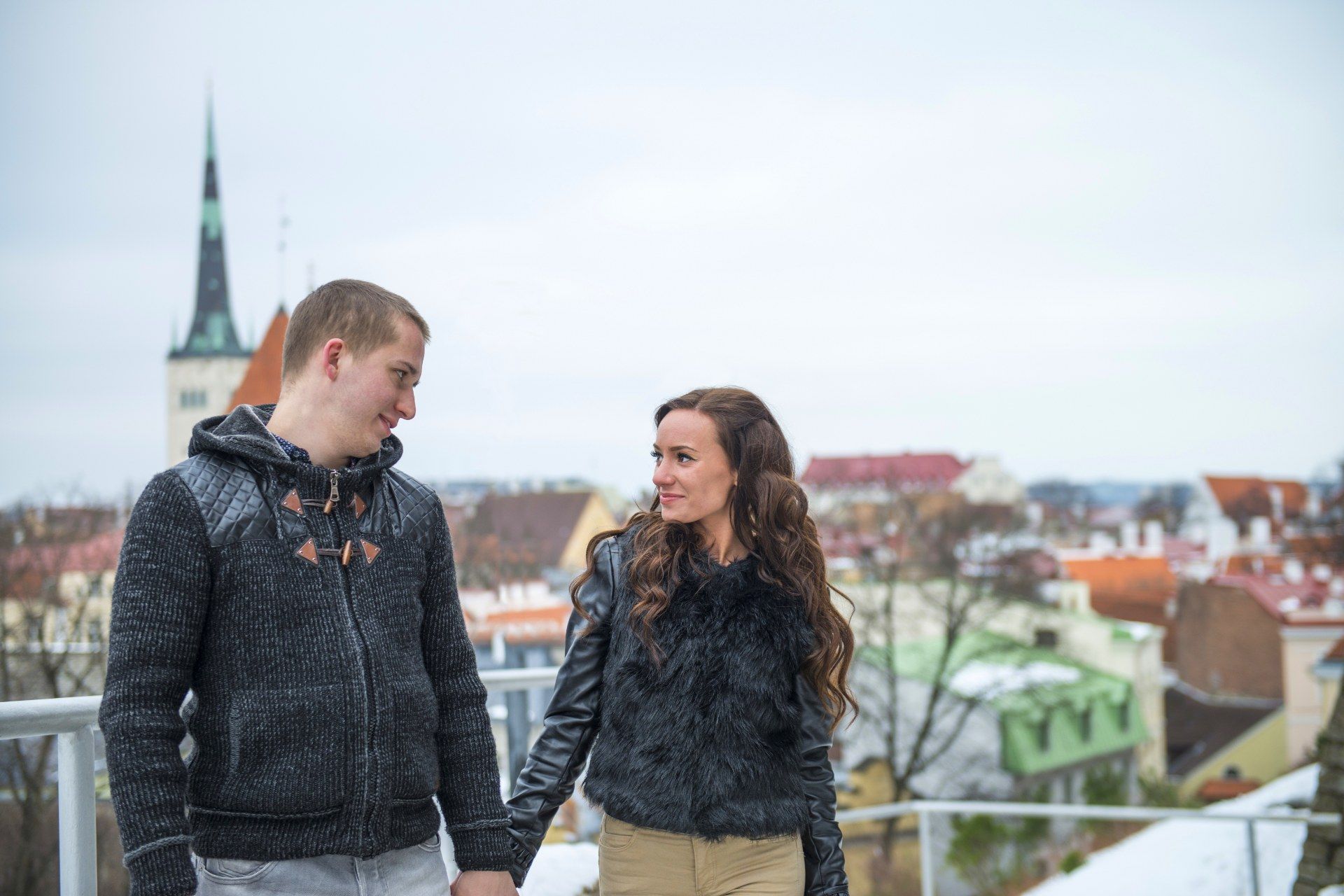
Young couple holding hands against the rooftops of Tallinn Old Town

Estonia is small, but it has a good choice of universities. The Study in Estonia portal (run by the Education and Youth Board, Harno) lists 18 of them:

  • 6 public research universities – including the University of Tartu (Tartu Ülikool), Tallinn University of Technology (TalTech) and Tallinn University,
  • 1 private research university,
  • 7 state universities of applied sciences (rakenduskõrgkool) – more practical degrees, e.g. in healthcare or aviation,
  • 4 private universities of applied sciences.

Most of them offer programmes in English – more than 150 bachelor's and master's programmes in total. Only a few, such as the military and security academies and the theological seminaries, teach in Estonian only.
Universities in Estonia – profiles

Finland

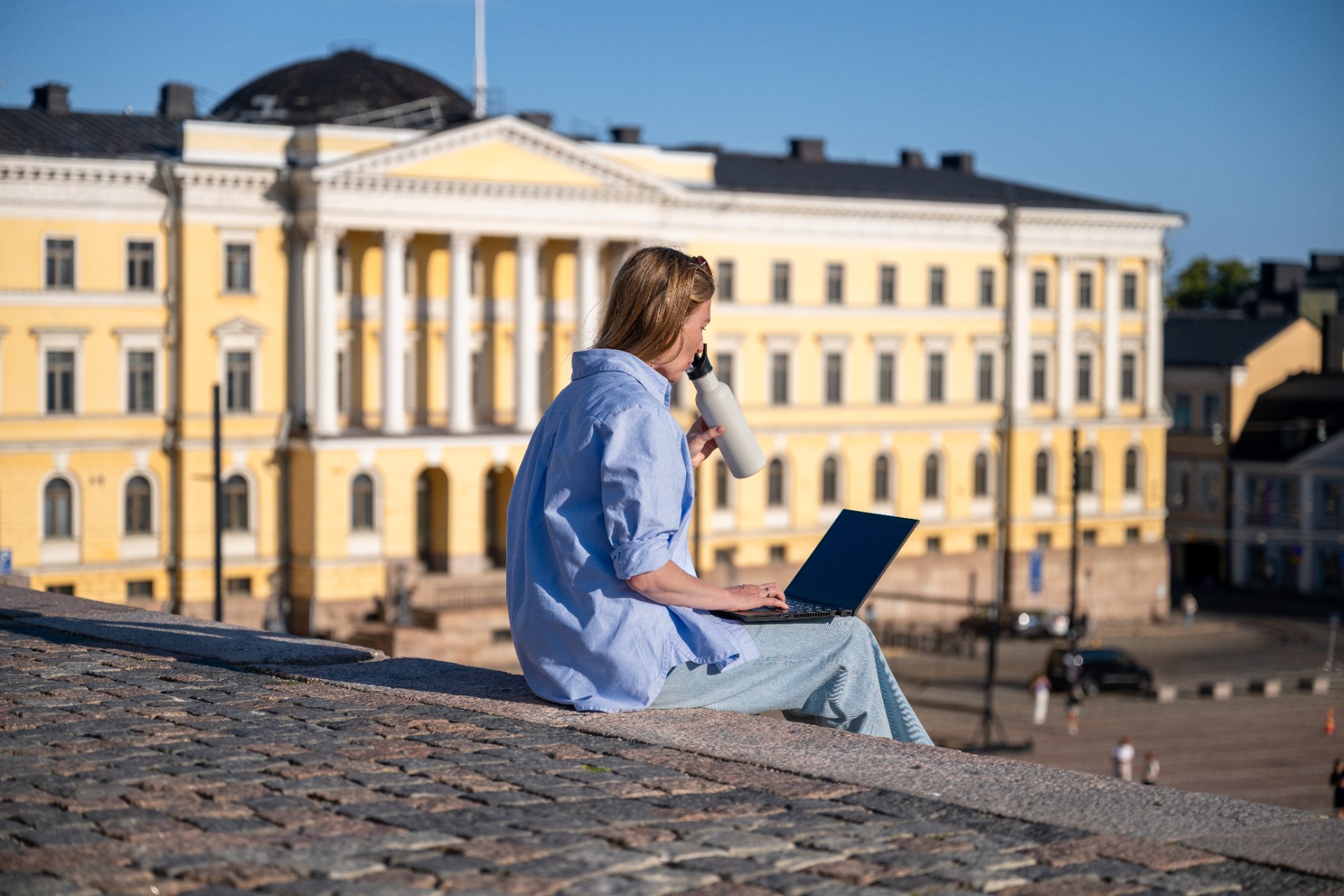
Young woman with a laptop sitting on the steps of Senate Square in Helsinki

Finland has two types of higher education institutions. According to the official Study in Finland portal, there are:

  • 13 universities (yliopisto) – research-based bachelor's, master's and doctoral programmes,
  • 22 universities of applied sciences (ammattikorkeakoulu, AMK for short; UAS in English) – practice-oriented degrees, close cooperation with companies and work on real-life problems.

More than 30,000 international students study here, and Finnish institutions offer over 600 bachelor's and master's programmes taught in English.

Universities in Finland – profiles

France

Young people relaxing on the grass of the Champ de Mars with the Eiffel Tower in the background

The choice in France is huge – Campus France, the state agency that promotes studying in France, counts more than 3,500 public and private higher education institutions. The main types:

  • public universities (universités) – Campus France lists 78 universities and university groupings; 63% of international students study here,
  • grandes écoles – selective engineering schools, business schools and institutes of political studies (20% of international students); 227 schools can award the engineering degree, and there are 220 business and management schools,
  • specialised schools – almost 3,000 public and private schools that train students for specific sectors, e.g. health, journalism or design,
  • schools of art and architecture – almost 50 public schools of art and design under the Ministry of Culture and a network of 20 public schools of architecture (ENSA).

In total 2.9 million people study in France, and 14% of them are international students.
Universities in France – profiles

Germany

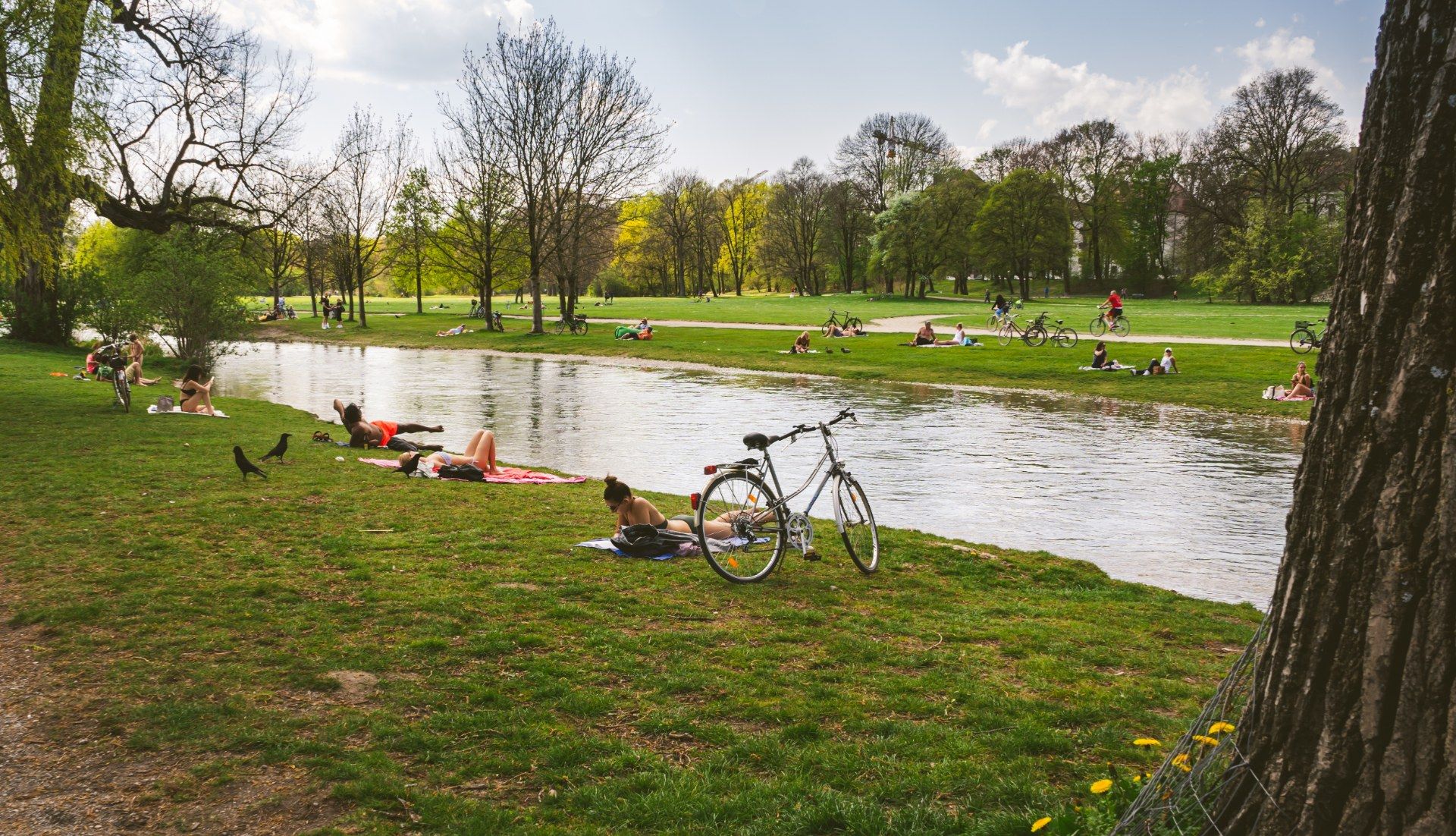
People relaxing on the grass by the water in the English Garden in Munich

Germany offers a huge choice. According to the German Rectors' Conference (HRK), in the 2025/26 winter semester 422 higher education institutions offered a total of 22,426 degree programmes. The main types are:

  • universities (Universitäten), including technical universities (Technische Universitäten) – academic, strongly research-based degrees,
  • universities of applied sciences (Hochschulen für angewandte Wissenschaften, HAW, formerly Fachhochschulen) – degrees focused on professional practice,
  • colleges of art and music (Kunst- und Musikhochschulen) – you are admitted on the basis of an aptitude test.

You can find every programme and every institution in the Hochschulkompass search engine run by the HRK.

Universities in Germany – profiles

Greece

Young people sitting in front of the Parthenon on the Acropolis at sunset

In Greece you will study mainly at public universities. The official Study in Greece portal lists 24 universities – all of them public and accredited by the state. They include general universities and four technical universities. They teach humanities, sciences, medicine, engineering and economics, among other fields.

More and more universities also run joint and double degrees with foreign partners, as well as international programmes.

There are also private colleges – they are not universities under Greek law. They run programmes in cooperation with foreign universities, and the degree is usually awarded by the partner university. Before you enrol, check whether such a degree will be recognised in your home country or wherever you plan to work.
Universities in Greece – profiles

Hungary

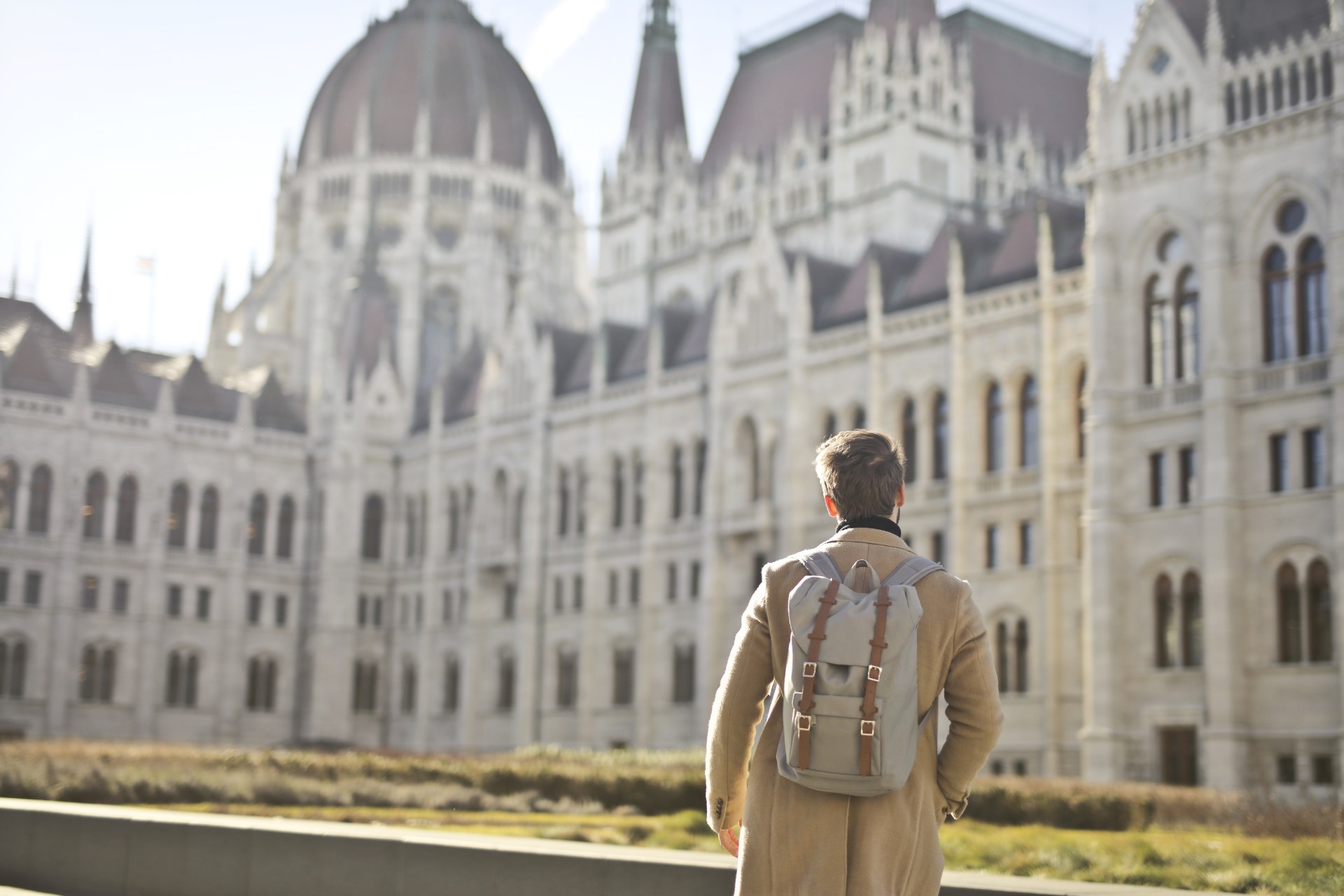
Young man with a backpack in front of the Hungarian Parliament Building in Budapest

Hungary has 65 higher education institutions, according to the official Study in Hungary portal run by the Tempus Public Foundation. Together they offer more than 1,000 programmes in several languages. There are three types:

  • universities (egyetem),
  • universities of applied sciences (alkalmazott tudományok egyeteme),
  • colleges (főiskola).

Hungary's system is unusual: according to Eurydice, the state now runs only 5 universities and 1 college. Most institutions – including 16 universities and 5 universities of applied sciences – are run by foundations, and others by churches.

You can search for programmes in the Study Finder on studyinhungary.hu.

Universities in Hungary – profiles

Iceland

Two young women hiking in Iceland with a glacier and mountains behind them

Iceland is small, and so is the choice of institutions. The official Study in Iceland portal, run by the Icelandic Centre for Research (Rannís), lists 7 universities:

  • University of Iceland (Háskóli Íslands) in Reykjavík,
  • Reykjavik University,
  • University of Akureyri,
  • Agricultural University of Iceland,
  • Hólar University,
  • Iceland University of the Arts,
  • Bifröst University.

Some of them are public and charge no tuition fees; the private ones charge higher fees.

Universities in Iceland – profiles

Ireland

People walking along a street in Dublin city centre

Higher education in Ireland is made up of universities, technological universities, institutes of technology and private colleges. The Higher Education Authority (HEA), which funds public institutions, lists:

  • 7 universities – Trinity College Dublin, University College Dublin, Dublin City University, University College Cork, University of Galway, University of Limerick and Maynooth University,
  • 5 technological universities – Technological University Dublin, Atlantic TU, Munster TU, South East TU and TU Shannon: Midlands Midwest,
  • other public institutions – including RCSI (medicine and health sciences), National College of Art and Design, Mary Immaculate College and Dundalk Institute of Technology.

There are also private independent colleges – their programmes are not always covered by free tuition, so check before you choose.
Universities in Ireland – profiles

Italy

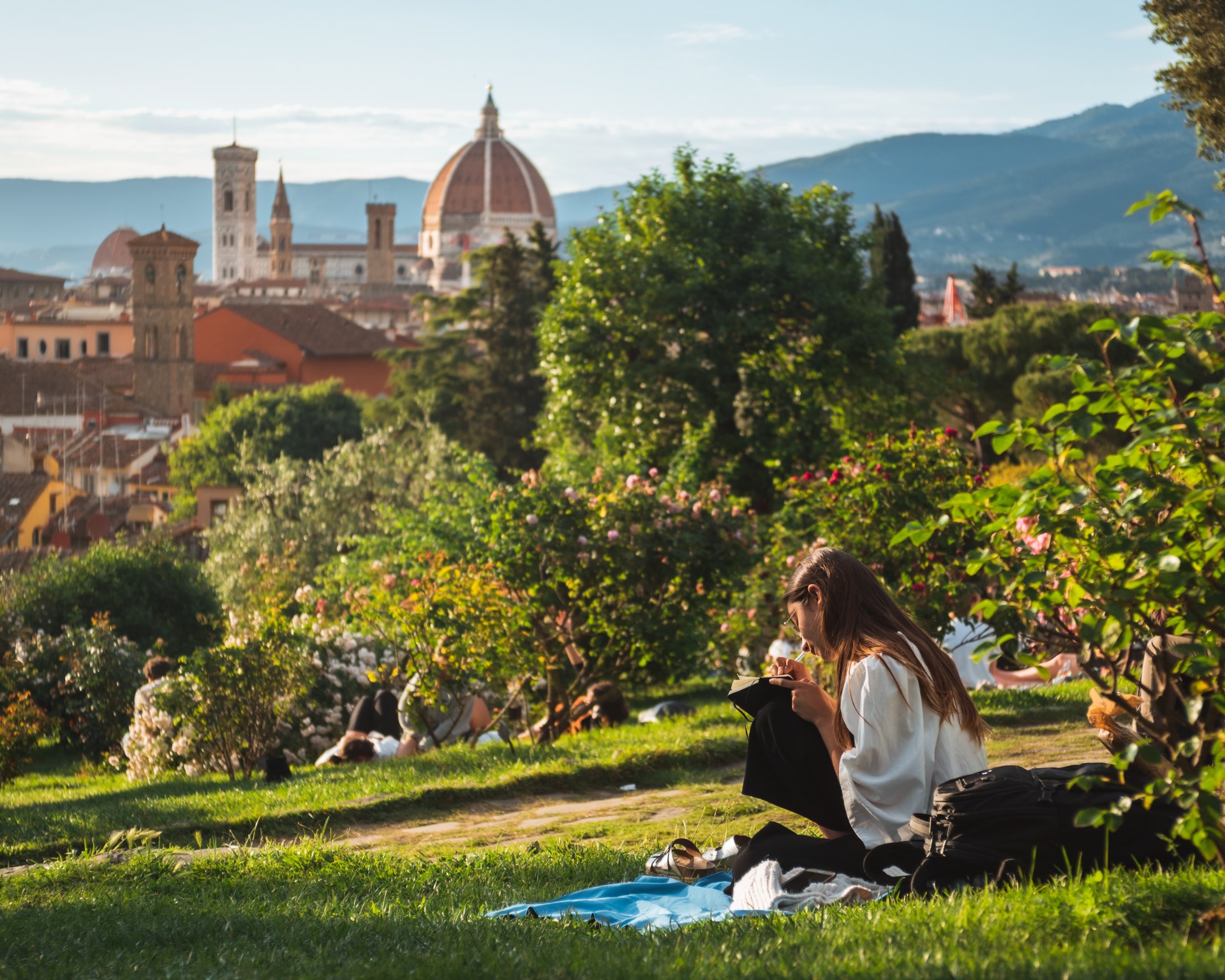
Young woman reading on the grass with a view of Florence

Italy has one of the largest higher education systems in Europe. The government portal Universitaly lists 283 universities and institutions and around 9,000 programmes. You can choose from:

  • state universities (università statali) – where most students study,
  • non-state universities recognised by the state (università non statali legalmente riconosciute) – their degrees have the same legal value,
  • AFAM arts and music institutions (Alta Formazione Artistica, Musicale e Coreutica) – academies of fine arts, conservatoires, dance schools,
  • schools for translators and interpreters (Scuole Superiori per Mediatori Linguistici) and higher technical institutes (ITS Academy) with a vocational focus.

Universities in Italy – profiles
Universities in Italy
Polytechnics in Italy
Latvia

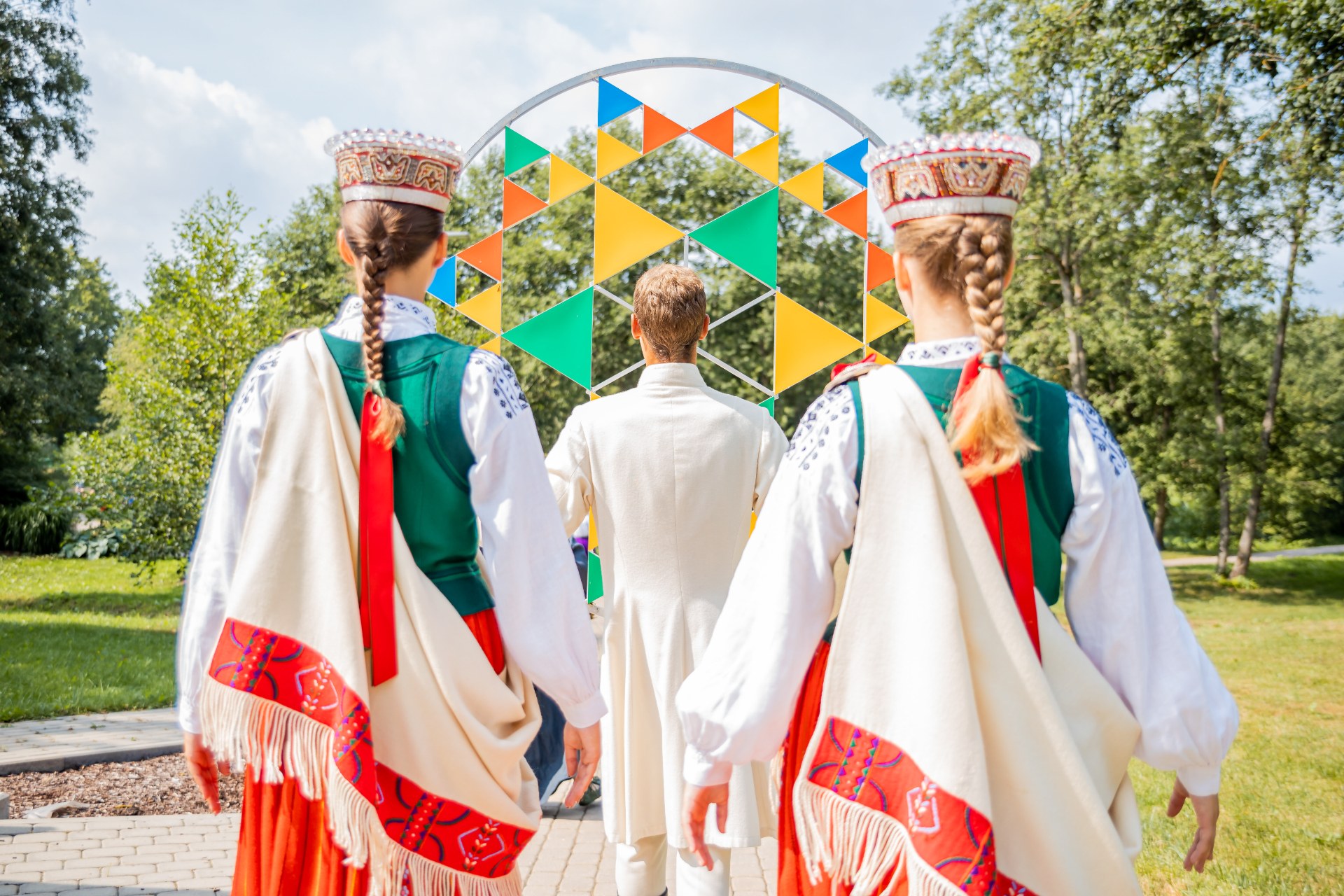
Young people in Latvian national costumes at the Latvian Song and Dance Festival

According to Study in Europe, Latvia has 29 higher education institutions and 24 colleges. You can choose between:

  • universities (universitāte) – including the University of Latvia (Latvijas Universitāte) and Riga Technical University (Rīgas Tehniskā universitāte, RTU),
  • universities of applied sciences – focused on preparing you for a profession,
  • specialised higher education institutions – concentrating on one field,
  • colleges (koledža) – shorter professional programmes.

More than 200 programmes are taught in English, so you will find something even without Latvian.
Universities in Latvia – profiles

Liechtenstein

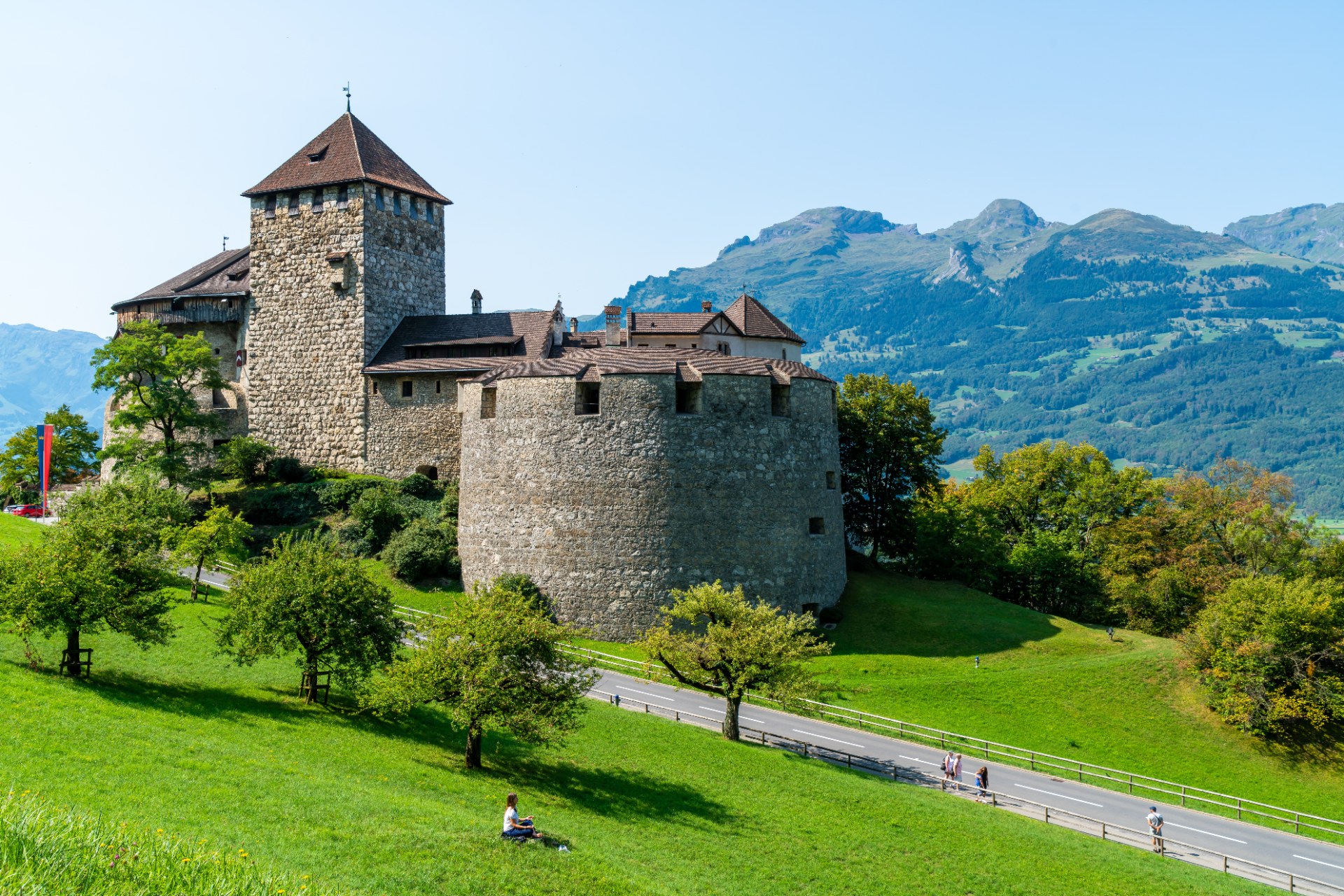
Vaduz Castle on a green hillside against the mountains in Liechtenstein

Liechtenstein is one of the smallest countries in Europe, so the choice of institutions is small too. According to the national qualifications framework, higher education here consists of two universities and one research institute:

  • University of Liechtenstein (Universität Liechtenstein) in Vaduz – the only institution described in the European Commission's country profile; it offers degrees in architecture, business administration, entrepreneurship, finance and information systems,
  • Private University in the Principality of Liechtenstein (Private Universität im Fürstentum Liechtenstein),
  • Liechtenstein-Institut – a research institute.

Higher education is supervised by the Government of Liechtenstein. Below we focus mainly on the University of Liechtenstein, because it is the institution covered by the official country profile on the Study in Europe portal.

Universities in Liechtenstein – profiles

Lithuania

Four young friends on Cathedral Square in Vilnius

According to Statistics Lithuania, at the start of the 2022/23 academic year the country had 36 higher education institutions:

  • 17 universities (universitetas) – including Vilnius University (Vilniaus universitetas, VU), Kaunas University of Technology (KTU), Vilnius Gediminas Technical University (VILNIUS TECH), Vytautas Magnus University in Kaunas (VMU) and the Lithuanian University of Health Sciences (LSMU),
  • 19 colleges (kolegija) – universities of applied sciences with practical, professional programmes.

13 of them are non-state institutions (6 universities and 7 colleges). You can study in English on more than 500 programmes.
Universities in Lithuania – profiles

Luxembourg

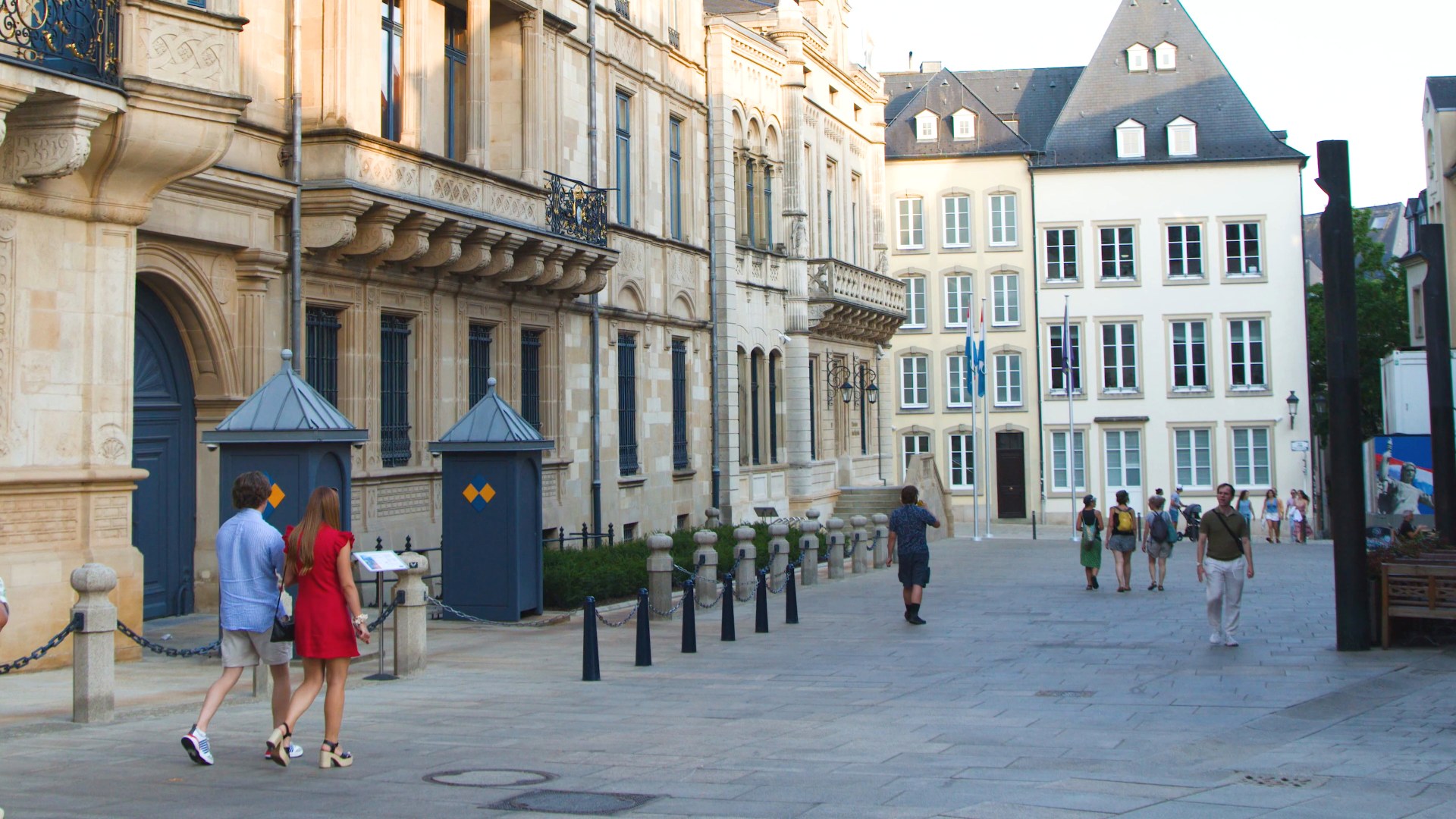
People walking past the Grand Ducal Palace in Luxembourg City

The main institution is the University of Luxembourg (Université du Luxembourg, Uni.lu), founded in 2003. Around 7,200 students from 148 countries study there, and 60% of them come from abroad. The university has three faculties:

  • Science, Technology and Medicine (FSTM),
  • Humanities, Education and Social Sciences (FHSE),
  • Law, Economics and Finance (FDEF).

Classes take place on three campuses: Belval, Kirchberg and Limpertsberg.

Besides the university there are accredited private institutions – including Lunex University (sport and physiotherapy) and the Luxembourg School of Business (MBA and management) – and the European centre of the American Miami University. Public secondary schools also run higher technician programmes (BTS).

Universities in Luxembourg – profiles

Malta

Young woman enjoying the view of the Three Cities from Upper Barrakka Gardens in Valletta

Malta is a small country, so the choice of institutions is limited. The main public ones are:

  • University of Malta (UM) – the only public university; around 12,000 students, including around 1,900 international students from 127 countries,
  • MCAST (Malta College of Arts, Science and Technology) – the largest vocational institution, offering everything from foundation courses to doctorates,
  • ITS (Institute of Tourism Studies) – programmes in tourism and hospitality,
  • Institute for Education – trains teachers, mainly part-time.

There are also private institutions, including branch campuses of foreign universities. Each must be licensed by the Malta Further and Higher Education Authority (MFHEA). You can check the list of institutions and accredited programmes in the MFHEA database.
Universities in Malta – profiles

Netherlands

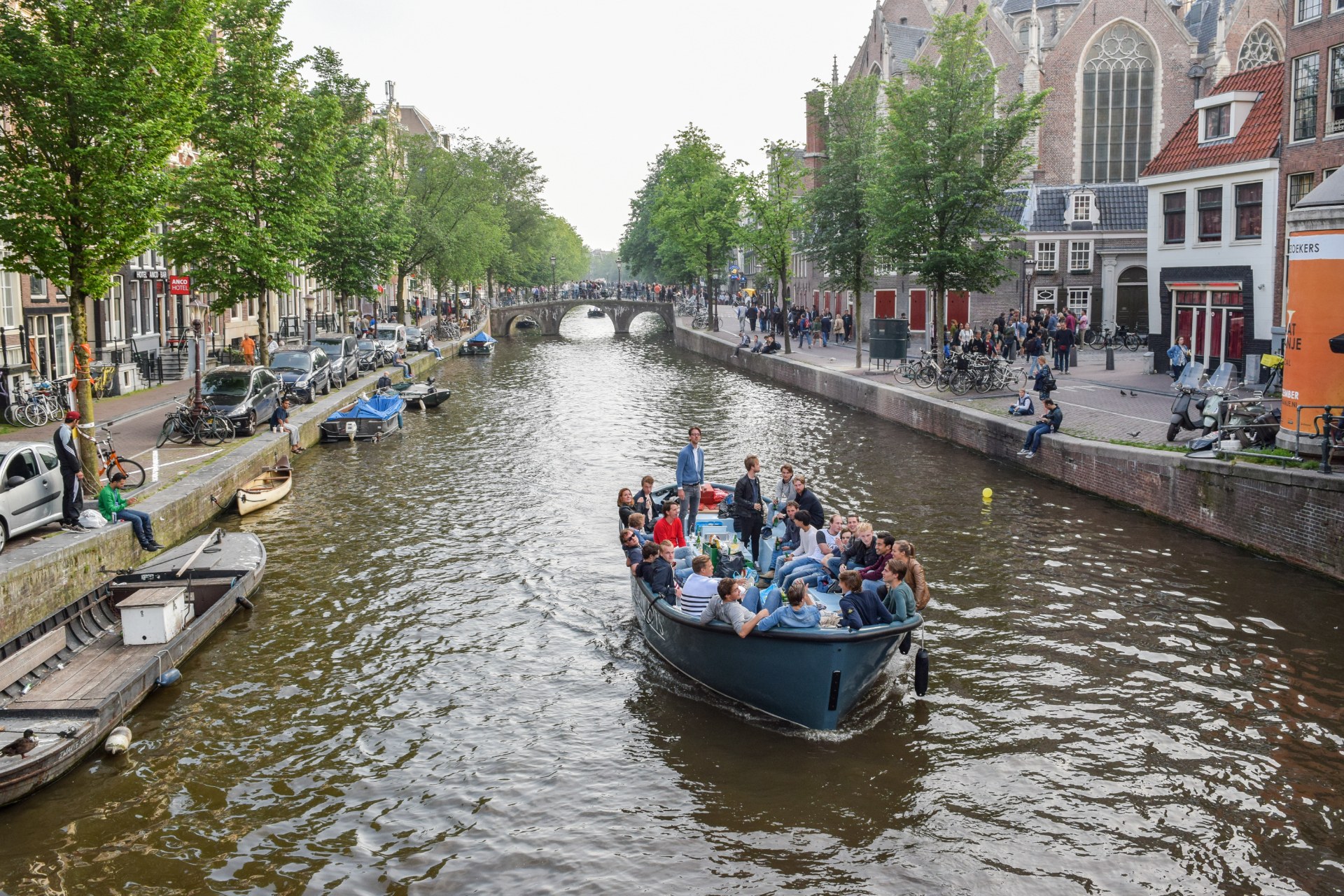
Young people on a boat on an Amsterdam canal

In the Netherlands you choose between two types of institution:

  • research universities (universiteiten) – academic education focused on theory and research (wetenschappelijk onderwijs, WO); among them are the universities of Amsterdam, Leiden, Utrecht, Groningen, Maastricht and Rotterdam, and the universities of technology in Delft, Eindhoven and Twente,
  • universities of applied sciences (hogescholen) – professional education with a lot of work placements (hoger beroepsonderwijs, HBO); around 446,000 people study at them, and the Study in NL portal lists 43 of them with international programmes.

The largest numbers of international students are at the University of Amsterdam, Maastricht University – where more than half of the students come from abroad – and the University of Groningen.

You can browse programmes and institutions in the Studyfinder search engine run by Nuffic.
Universities in the Netherlands – profiles

North Macedonia

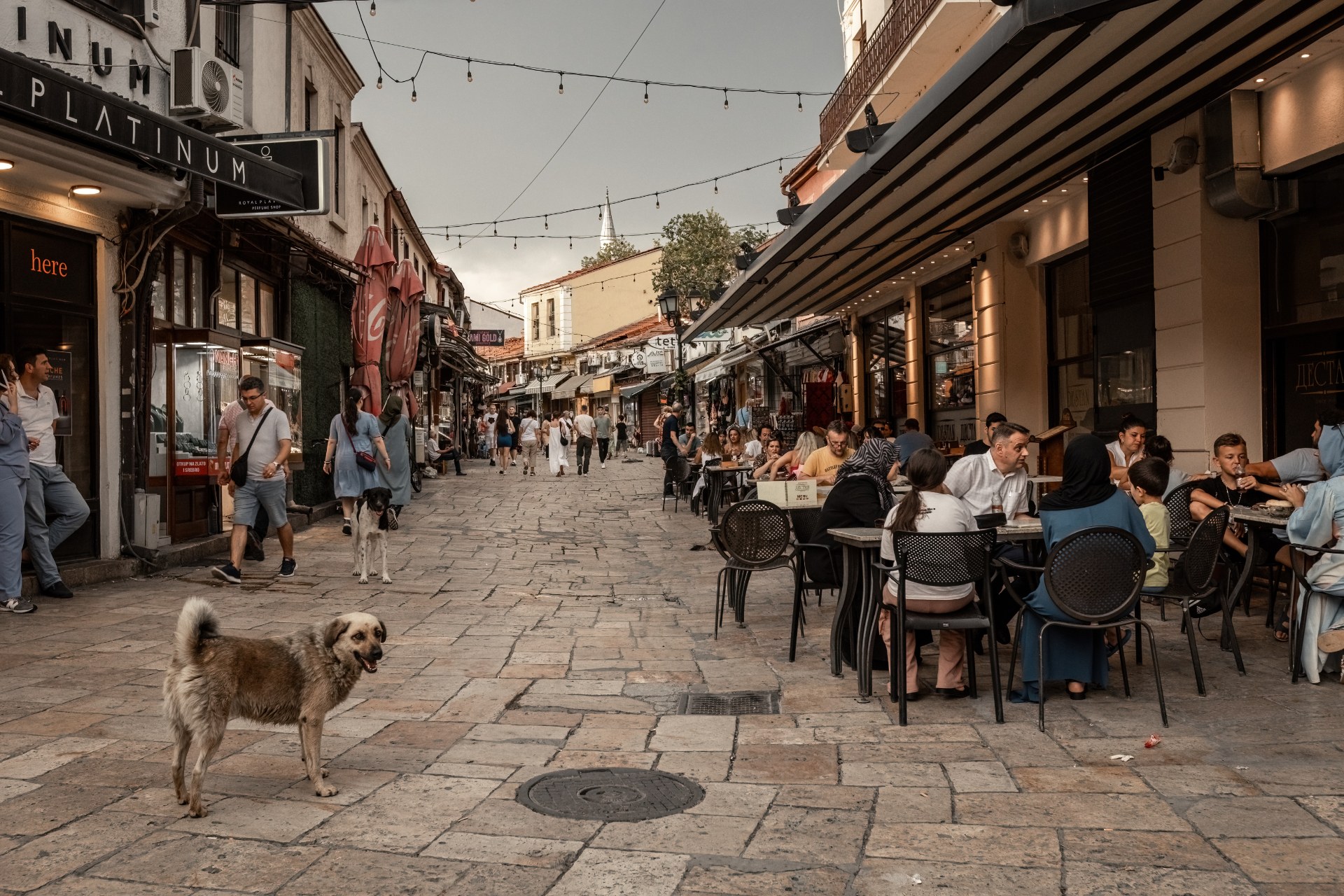
People at street cafes on a narrow market street in Skopje old town

The system is small: according to Eurydice there are 7 state universities and 14 private ones, plus one public-private institution. State universities form the core of the system, among them:

Universities offer all three cycles: bachelor's, master's and doctoral programmes. UKIM alone offers 207 first-cycle programmes, 338 master's and 79 doctoral programmes.
Norway

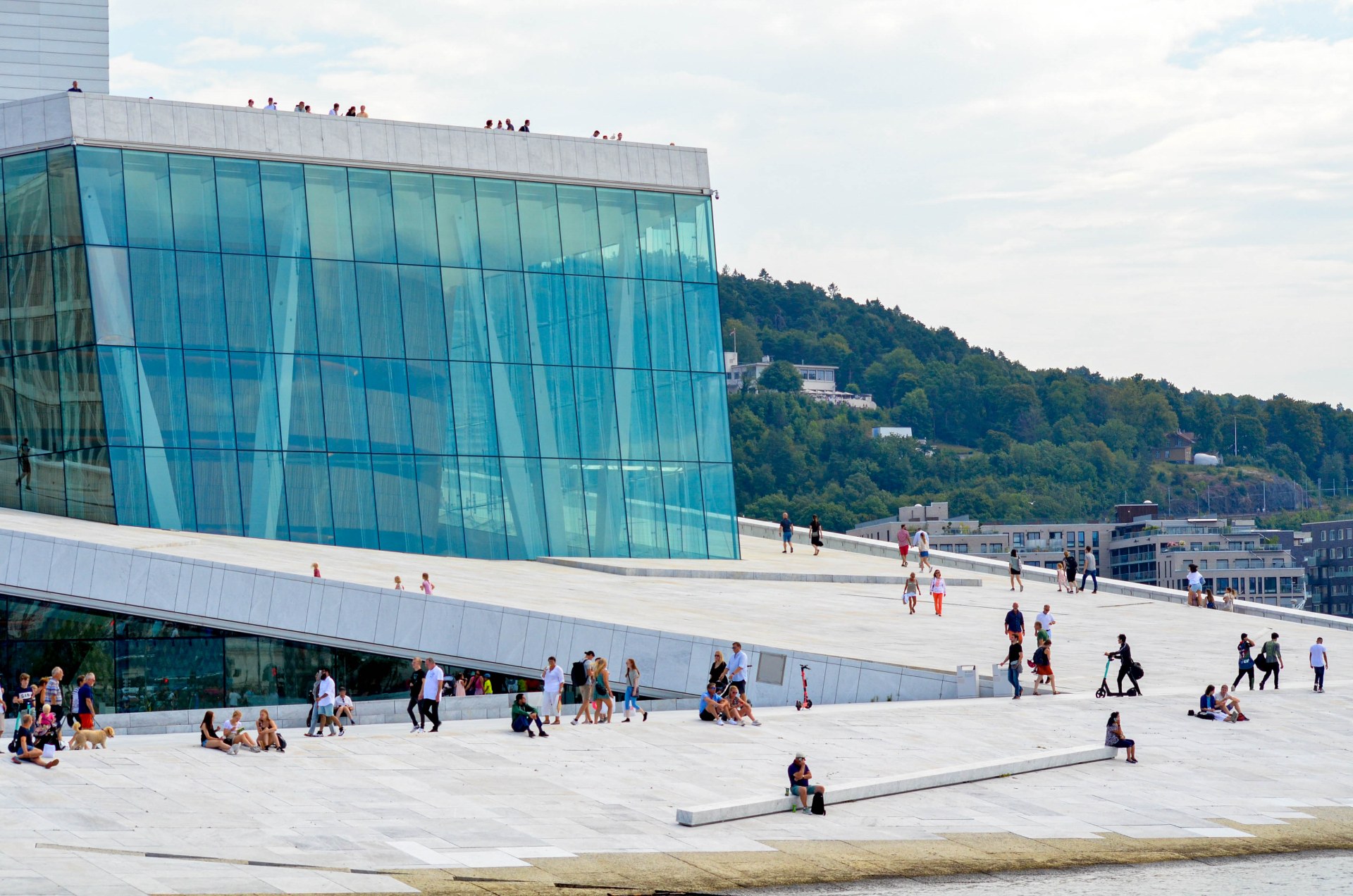
People walking and relaxing on the roof of the Oslo Opera House

Norwegian higher education institutions fall into four main categories:

  • universities (universiteter) – the Study in Norway portal lists 11 of them, including the University of Oslo, the University of Bergen, NTNU in Trondheim, UiT The Arctic University of Norway and OsloMet,
  • specialised universities (vitenskapelige høyskoler) – 9 on the list, e.g. NHH (economics and business), BI Norwegian Business School, the Norwegian Academy of Music and the Oslo School of Architecture and Design,
  • university colleges (høyskoler), i.e. universities of applied sciences,
  • colleges with accredited programmes – smaller institutions, often aimed at Norwegian-speaking students.

Most institutions are public. There are also private ones – some of them charge tuition fees to all students.
Universities in Norway – profiles

Poland

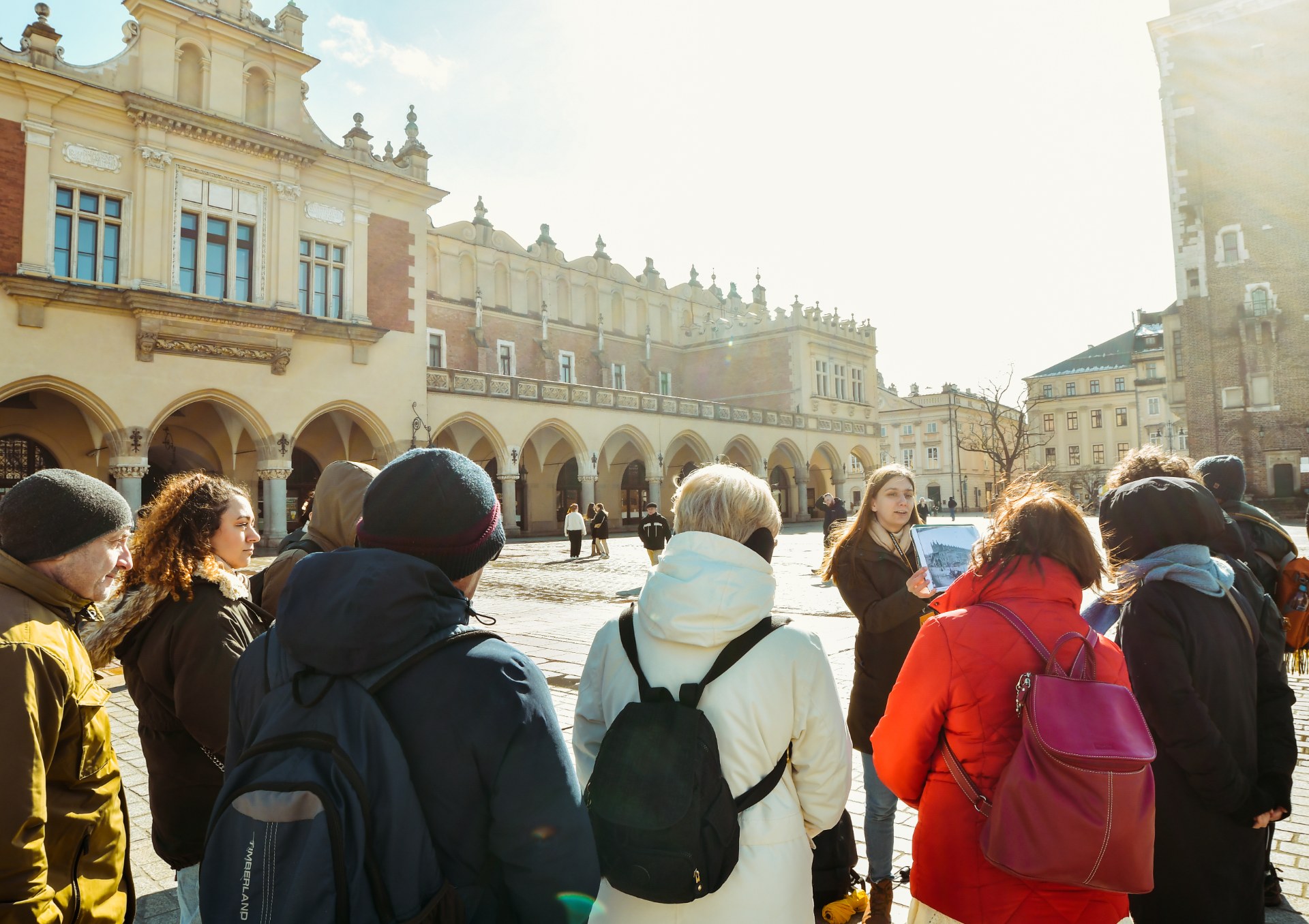
A group of young people with a guide on the Main Market Square in Krakow

Poland has one of the largest higher education systems in the EU. According to RAD-on, the official database run by the Ministry of Science and Higher Education, there are currently 344 higher education institutions:

  • 136 public institutions – 104 academic ones (including universities and universities of technology) and 32 vocational ones,
  • 191 non-public (private) institutions,
  • 17 church institutions.

Most public institutions are supervised by the Minister of Science (95). The others come under other ministries: culture – arts academies (19), health – medical universities (10), national defence (6), the interior (3), infrastructure – maritime universities (2) and justice (1).

You can check any institution and programme in RAD-on – the official database that shows whether an institution is operating and what it is authorised to teach. Programmes for international students are easiest to browse in the Study Finder run by NAWA, the Polish National Agency for Academic Exchange.
Universities in Poland – profiles

Portugal

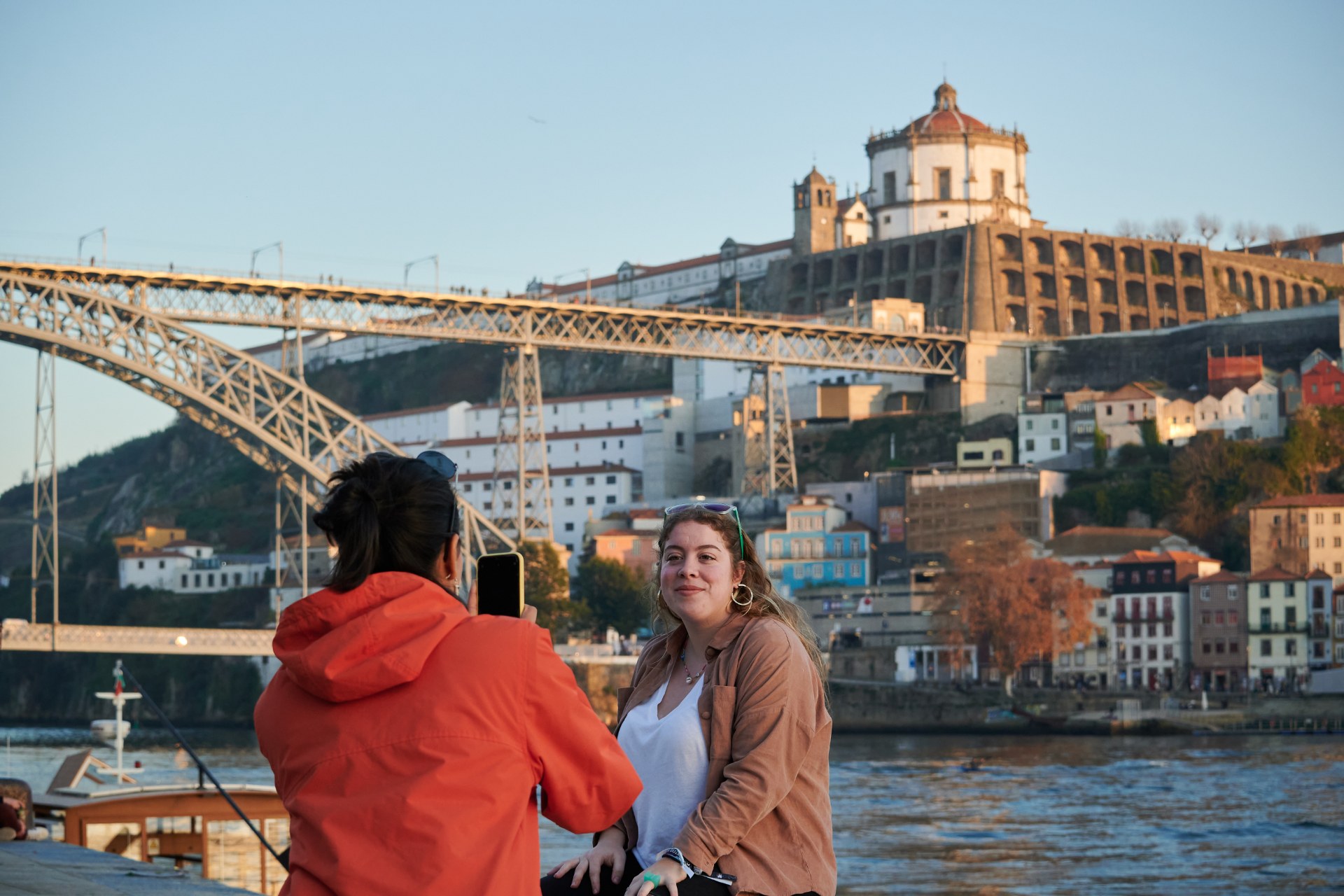
A young woman photographing her friend against a bridge in Porto

Higher education in Portugal is split into two sectors:

  • university – universities (universidades), university institutes (institutos universitários) and other university schools; focused on research,
  • polytechnic – polytechnic institutes (institutos politécnicos) and other polytechnic schools; focused on applied research and professional practice.

Both sectors have public and private institutions. A private institution needs the ministry's approval, and every programme is assessed and accredited by the agency A3ES (Agência de Avaliação e Acreditação do Ensino Superior).

Admission to public institutions is run by the ministry's Directorate-General for Higher Education – DGES.

Universities in Portugal – profiles
Portuguese universities
University institutes in Portugal
Polytechnic institutes in Portugal
Romania

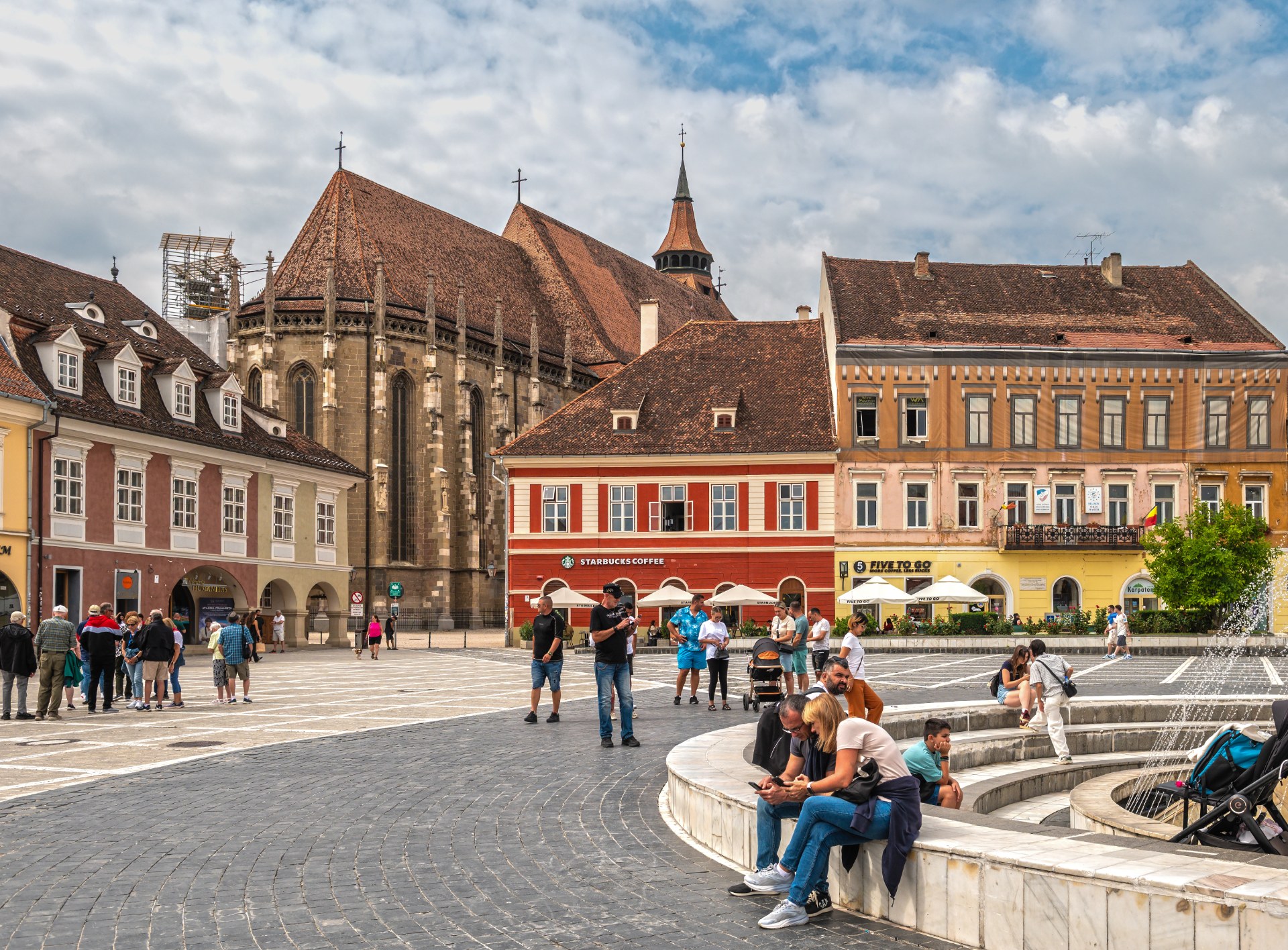
Young people relaxing by the fountain on Council Square in Brasov with the Black Church behind

Romania has 52 public and 32 private universities (Study in Romania data, 2026). Besides universities, there are also academies and technical institutions. Quality is assessed by the agency ARACIS. In 2024/25 around 490,000 people were studying here.

Many international applicants choose universities of medicine and pharmacy (Universitatea de Medicină și Farmacie, UMF) – for example in Cluj-Napoca, Iași, Bucharest or Târgu Mureș. They offer medicine and dentistry in English, and some also in French.
Universities in Romania – profiles

Serbia

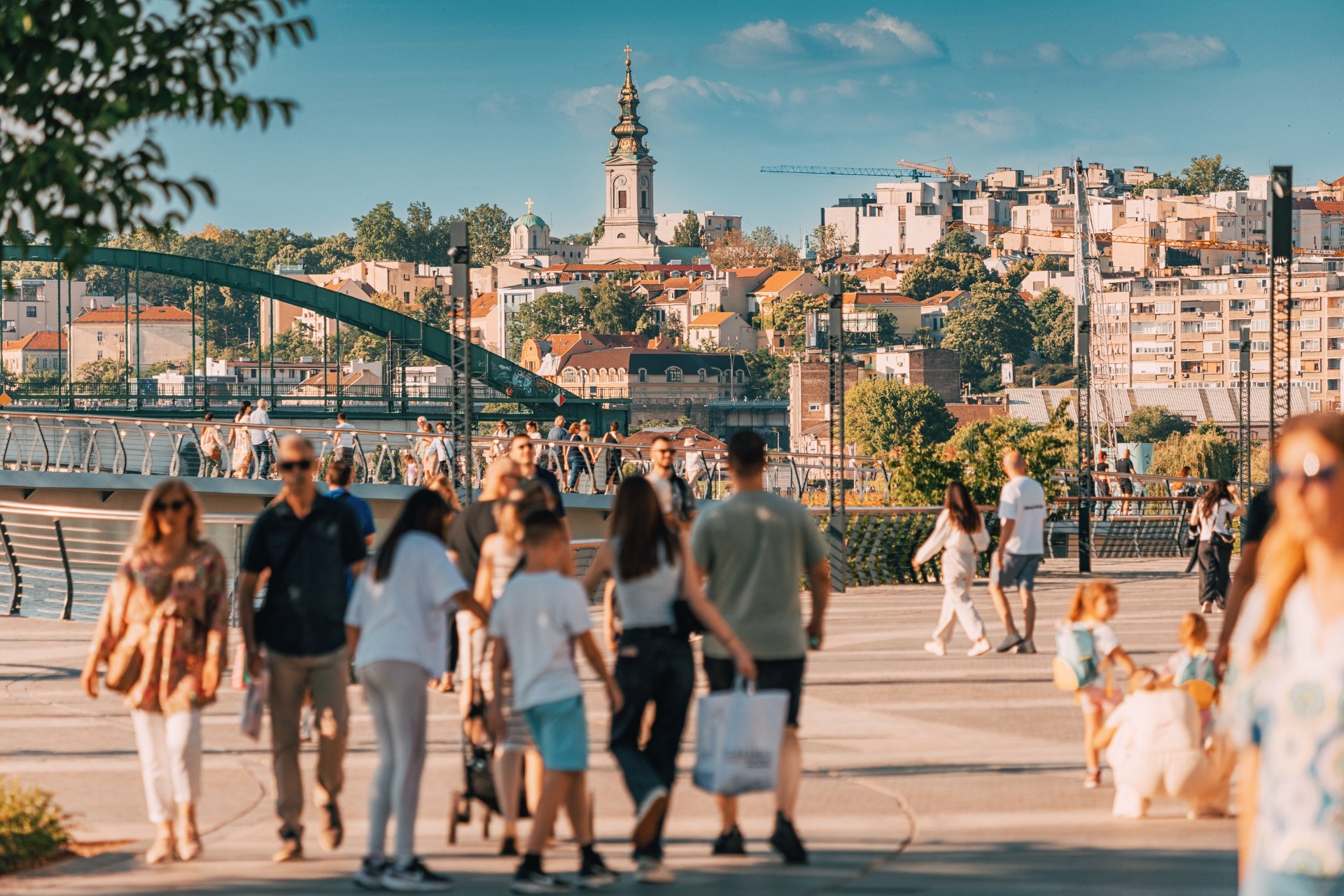
People walking on the Sava promenade in Belgrade with the old town and a church tower behind

In Serbia, academic programmes are offered mainly by universities, and applied (professional) programmes by academies and colleges of applied studies. Every institution must be accredited by the national agency for accreditation and quality assurance.

According to the Study in Serbia database, more than 245,000 people study in higher education:

  • 174,836 at public universities,
  • 30,444 at private universities,
  • 32,533 at public academies and colleges of applied studies,
  • 6,139 at private colleges.

The oldest and largest is the University of Belgrade (Univerzitet u Beogradu) – 31 faculties and around 90,000 students. There are also large public universities in Novi Sad, Niš and Kragujevac.

Universities in Serbia – profiles

Slovakia

Young woman walking through the open-air folk museum in Stara Lubovna towards a wooden church

According to SAIA, the agency that runs the official Study in Slovakia portal, Slovakia has three groups of higher education institutions:

  • 20 public institutions (verejné vysoké školy) – 9 classical universities, 5 universities of technology, 3 arts and music academies, a university of economics, a university of veterinary medicine and pharmacy, and an agricultural university,
  • 3 state institutions (štátne vysoké školy) – military, police and medical,
  • 11 private institutions (súkromné vysoké školy) – operating with government approval.

You will find all programmes (more than 5,000) on the Ministry of Education's portal portalvs.sk.
Universities in Slovakia – profiles

Slovenia

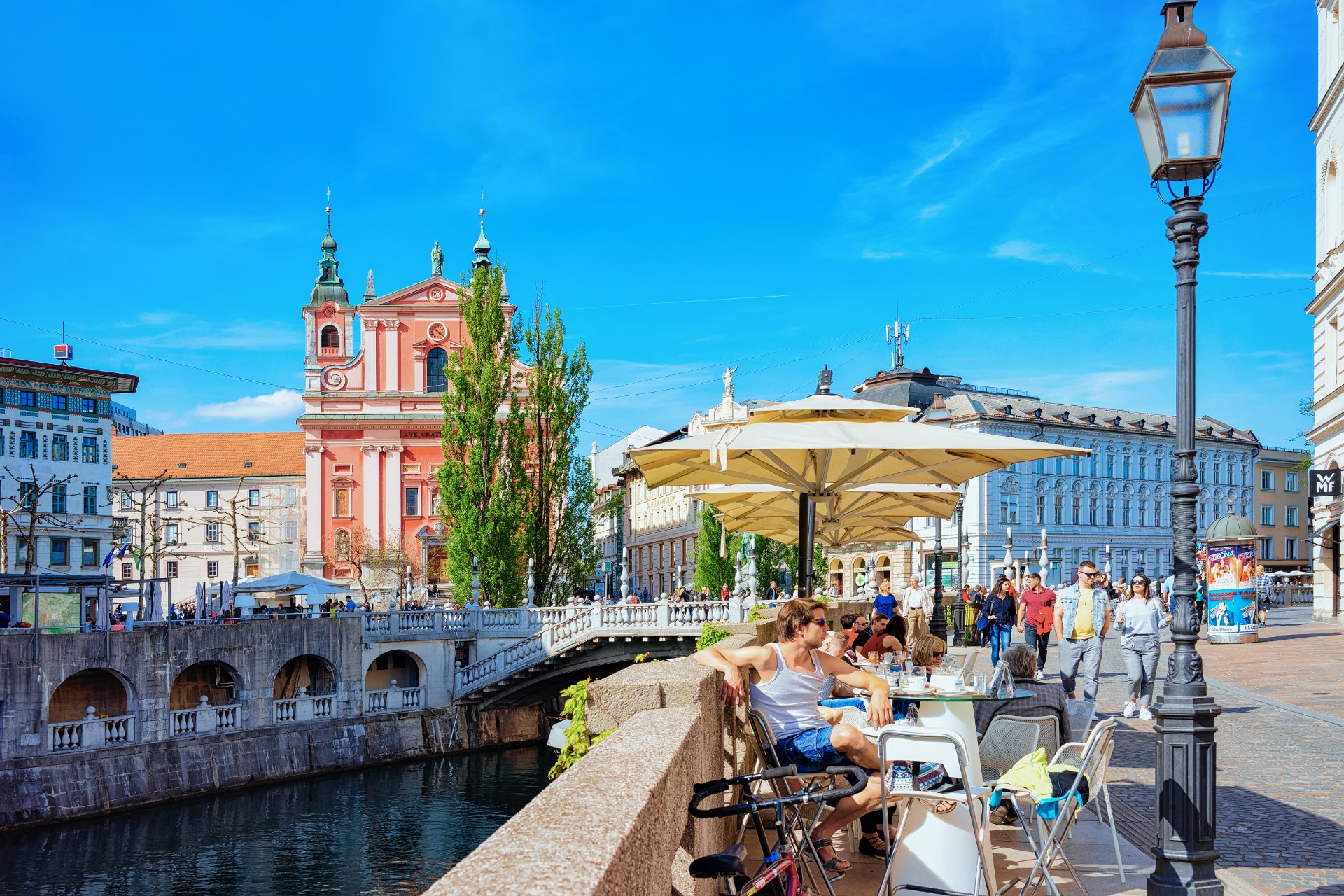
People at a sidewalk cafe on the Triple Bridge by the Ljubljanica River in Ljubljana

In Slovenia you can study at public and private universities or at smaller independent higher education institutions. Study in Slovenia lists these universities:

  • University of Ljubljana (Univerza v Ljubljani) – the largest in the country,
  • University of Maribor,
  • University of Primorska (Univerza na Primorskem) in Koper,
  • University of Nova Gorica,
  • Nova univerza and the University of Novo mesto.

Universities are made up of faculties and arts academies. There are also many independent institutions, often private and practice-oriented (visoke strokovne šole). You will find the full list in the search engine on studyinslovenia.si.
Universities in Slovenia – profiles

Spain

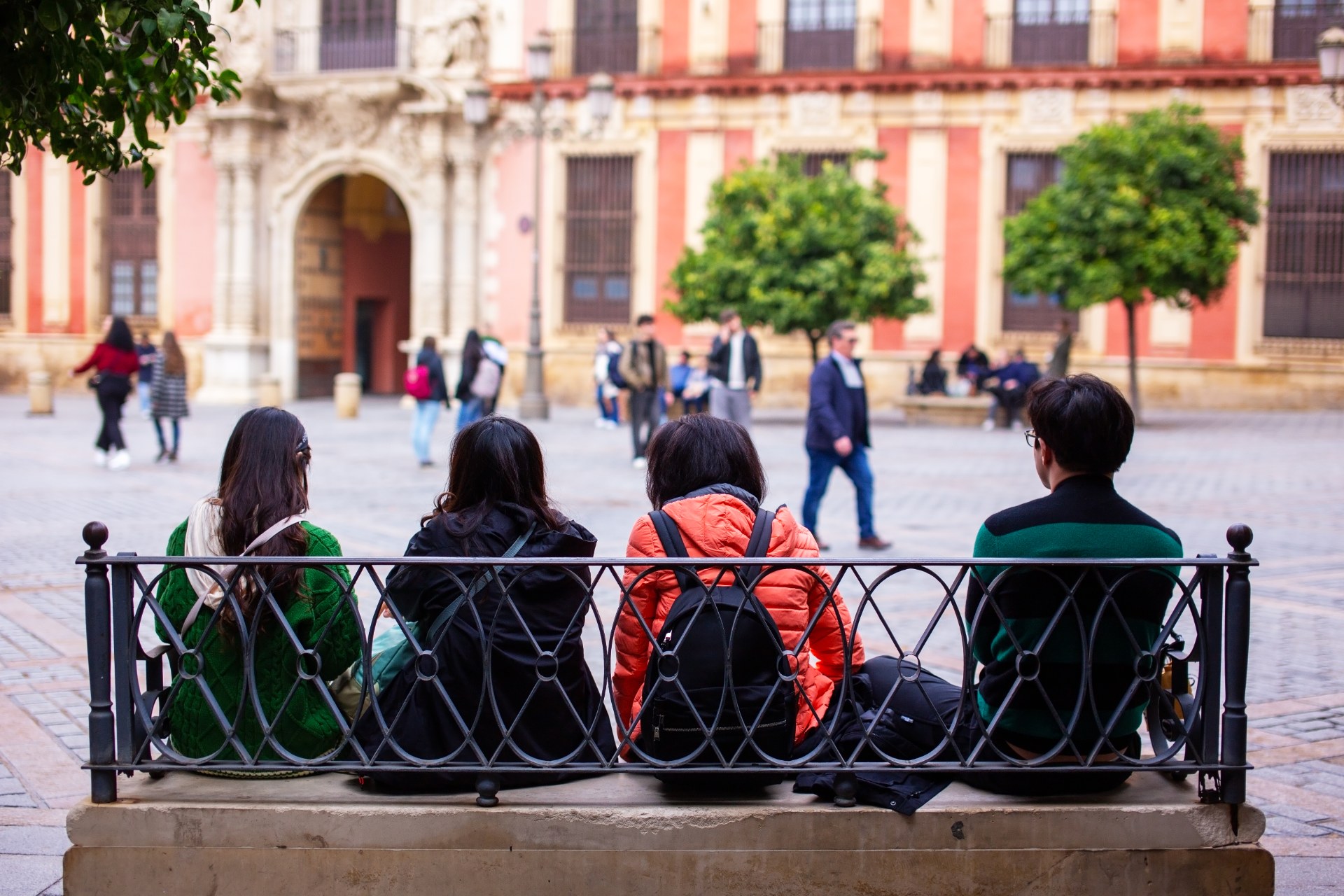
Students relaxing on a bench in a square in Seville

Spain has a large and varied higher education sector. According to SEPIE, the government agency that promotes Spanish higher education abroad, there are 91 universities: 50 public and 41 private. Together they have 1,111 faculties and schools, 594 research institutes and 61 doctoral schools.

Besides universities, there are specialised business, engineering and arts schools. Public universities come under the autonomous communities (comunidades autónomas) – Spain's regions – and it is the regions that set tuition fees, among other things.

You will find the official list of universities and degrees in the ministry's RUCT register and in the QEDU search engine ("Qué estudiar y dónde en la universidad" – what to study and where).
Universities in Spain – profiles

Sweden

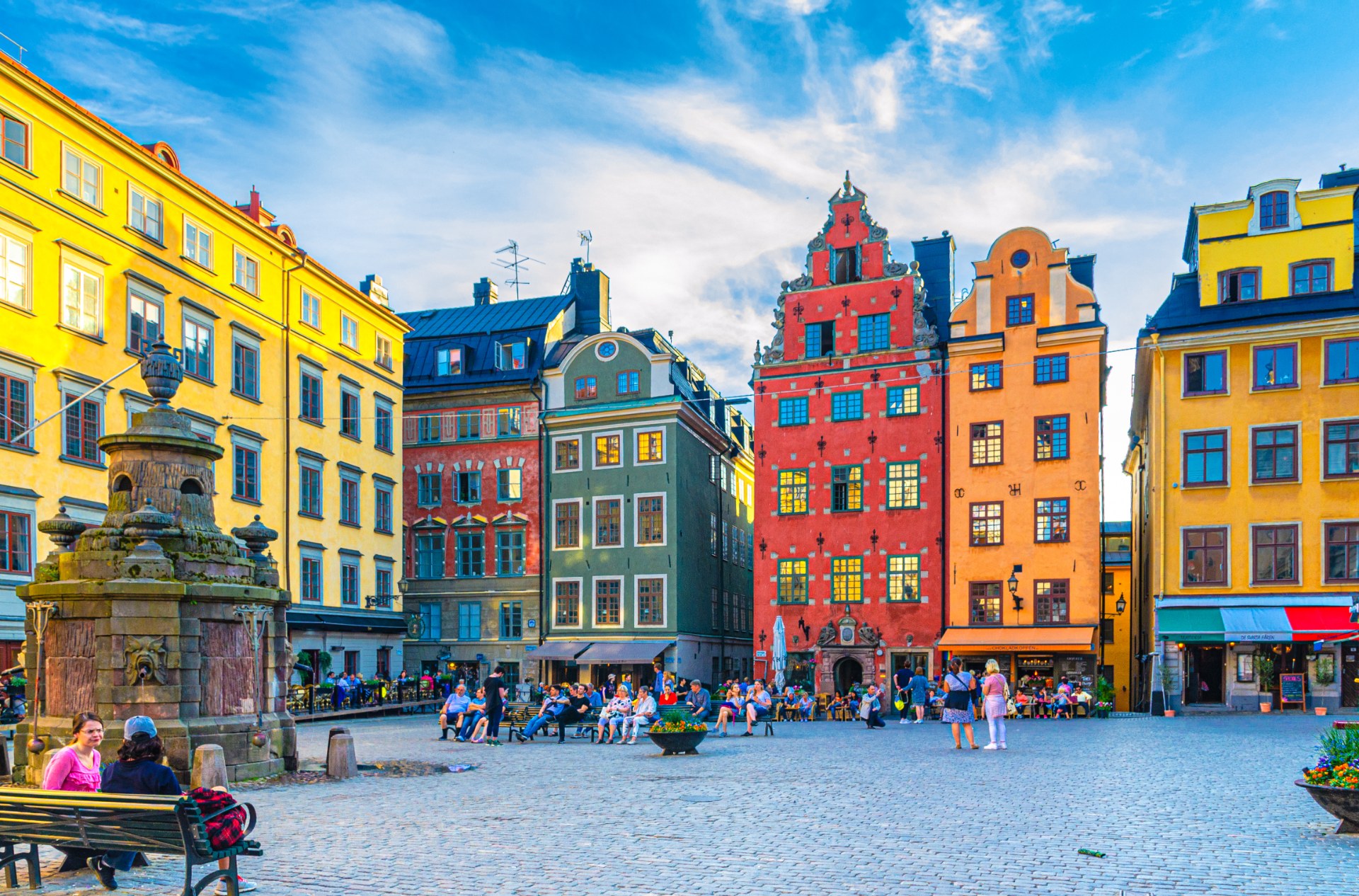
Tourists and passers-by on Stortorget square in Stockholm among colourful townhouses

The Swedish system has two main types of higher education institutions. According to the European Eurydice network (2024 data), there are:

  • 18 universities (universitet) – they can award degrees at all levels, including doctorates,
  • 12 university colleges (högskolor) – mainly bachelor's and master's programmes, although some can now also award doctorates in selected fields,
  • 5 arts institutions (konstnärliga högskolor) – fine arts, design, performing arts,
  • 14 independent education providers (enskilda utbildningsanordnare) – funded by state grants or run by foundations.

Most institutions are public. The Study in Sweden portal lists 39 universities that together offer more than 1,000 bachelor's and master's programmes in English.
Universities in Sweden – profiles

Switzerland

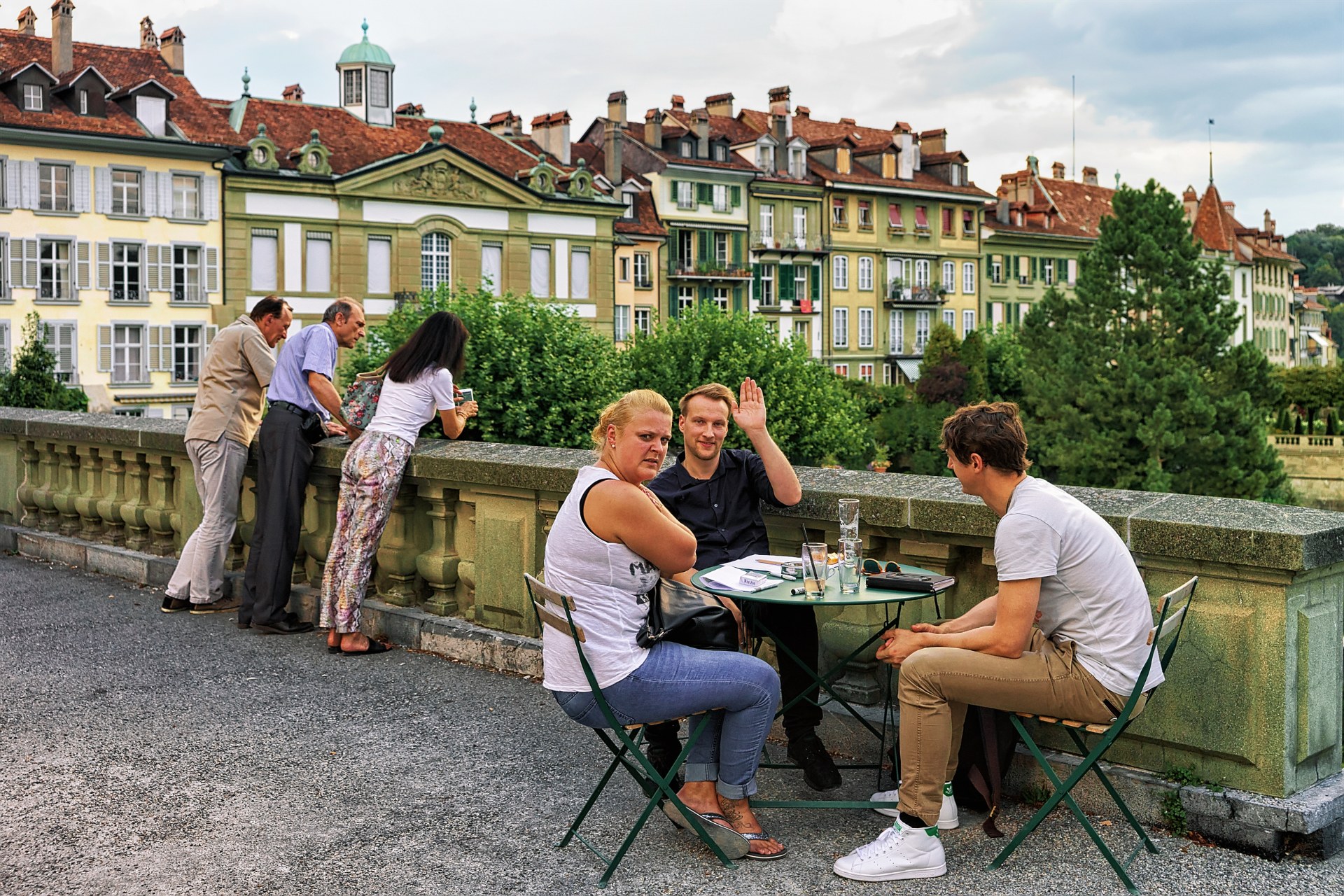
Friends at an open-air café table on the Münsterplattform terrace in Bern's old town

Switzerland is a small country with very strong universities. According to the Swiss education server educa.ch, you can choose from:

  • 10 cantonal universities – including those in Zurich, Geneva, Lausanne, Bern and Basel,
  • 2 federal institutes of technology – ETH Zurich and EPFL in Lausanne,
  • universities of applied sciences (Fachhochschulen, hautes écoles spécialisées) – currently 8 public and 1 private, with practice-oriented programmes,
  • universities of teacher education (Pädagogische Hochschulen, hautes écoles pédagogiques) – where teachers are trained; formally they belong to the universities of applied sciences.

Together they offer more than 4,000 programmes. You'll find them all in the studyprogrammes.ch search engine.
Universities in Switzerland – profiles

Turkey

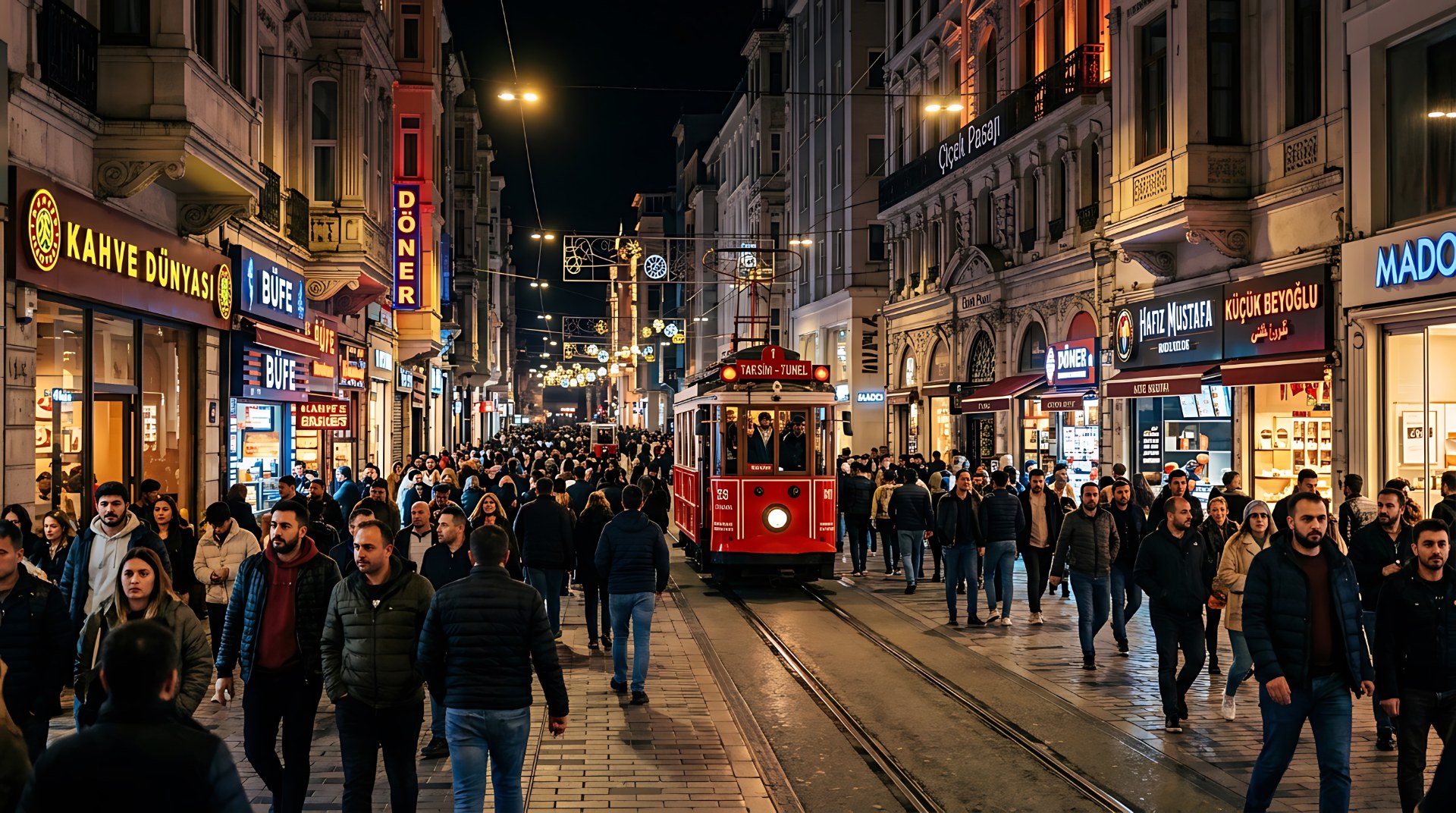
Crowds on Istiklal Avenue in Istanbul at night with a red historic tram

According to the Council of Higher Education (YÖK), Turkey has 208 universities with more than 6 million students.

You can choose between:

  • state universities (devlet üniversitesi) – with lower tuition fees,
  • foundation universities (vakıf üniversitesi) – non-state, usually with high tuition fees,
  • vocational schools (meslek yüksekokulu) – with two-year professional programmes,
  • conservatories – music and arts institutions.

You can browse universities and programmes in the search engine of the government portal Study in Türkiye, and programme details in YÖK Atlas.
United Kingdom

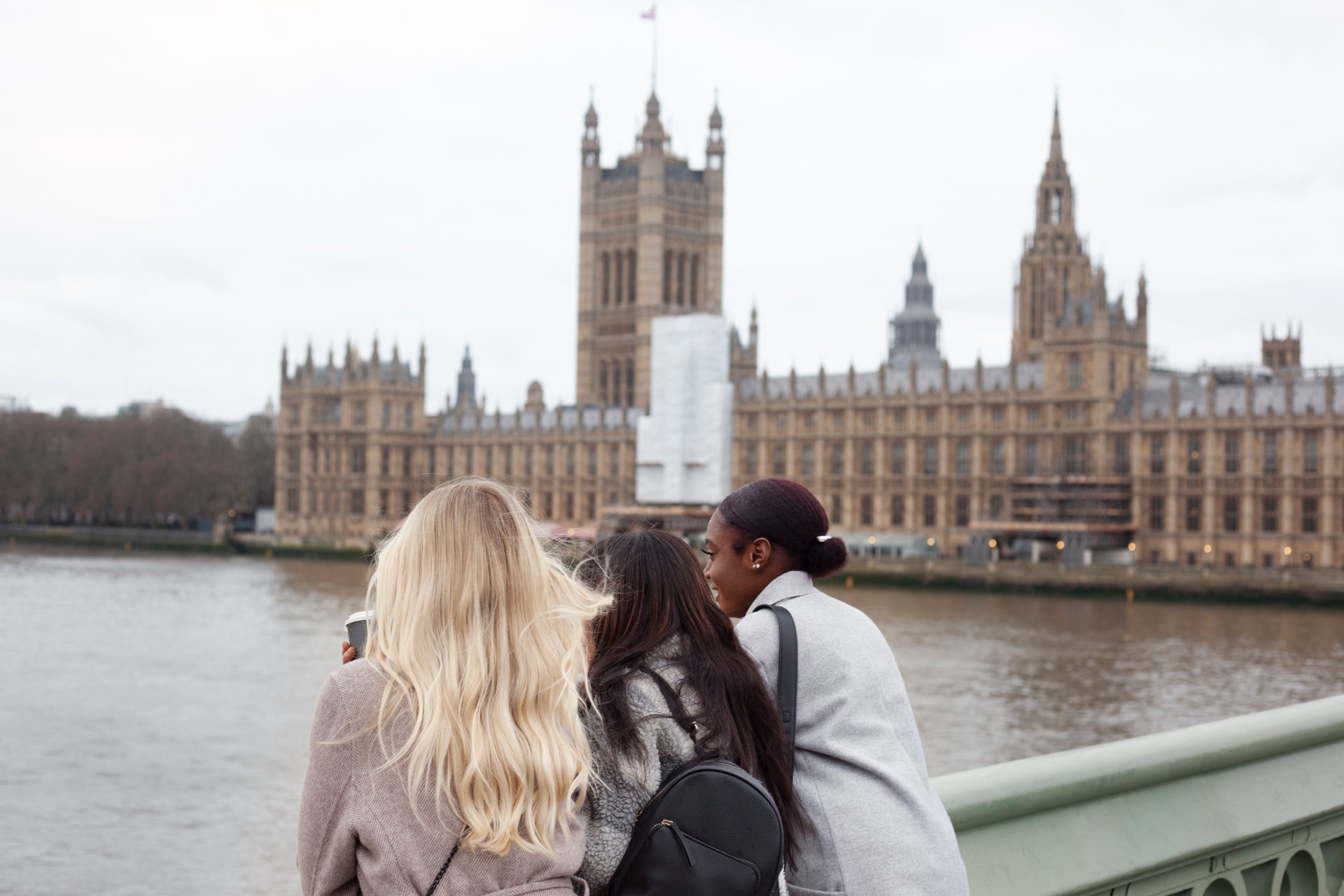
Three young women by the Thames in London, with the Palace of Westminster behind them

Since Brexit, the United Kingdom is part of neither the EU nor the European Economic Area and has no profile on the Study in Europe portal. For students this means one thing: unless you are an Irish citizen or have settled or pre-settled status under the EU Settlement Scheme, you are an international student – and that now includes EU citizens.

Degrees are offered by universities and colleges. The country is made up of England, Scotland, Wales and Northern Ireland, and each of them partly has its own rules on student funding – which is why fees for local students differ from region to region.

The best-known institutions are the research universities of the Russell Group – it has 24 members, including Oxford and Cambridge. For almost all universities you apply for undergraduate programmes through one system – UCAS (see: Admission).

Universities in the United Kingdom – profiles
British universities
Colleges in the United Kingdom

Sources: European Commission – Study in Europe (education.ec.europa.eu/study-in-europe), Eurostat, official national study and residence portals and authorities, Eurodesk, enic-naric.net, studentnews.eu. As of September 2026.

StudentNews Group Websites for students and future students — in Poland since 2007, across Europe since 2014. Over 50 websites and millions of users a year (Google Analytics). Studies in Europe Universities in Europe Bachelor’s Master’s Doctorate MBA Study guide Work abroad Travel For partners Advertising and cooperation Reach (online report) Contact advertising@studentnews.eu © 2003–2026 Grupa StudentNews.pl sp. z o.o., Modlnica, Poland
Privacy Policy